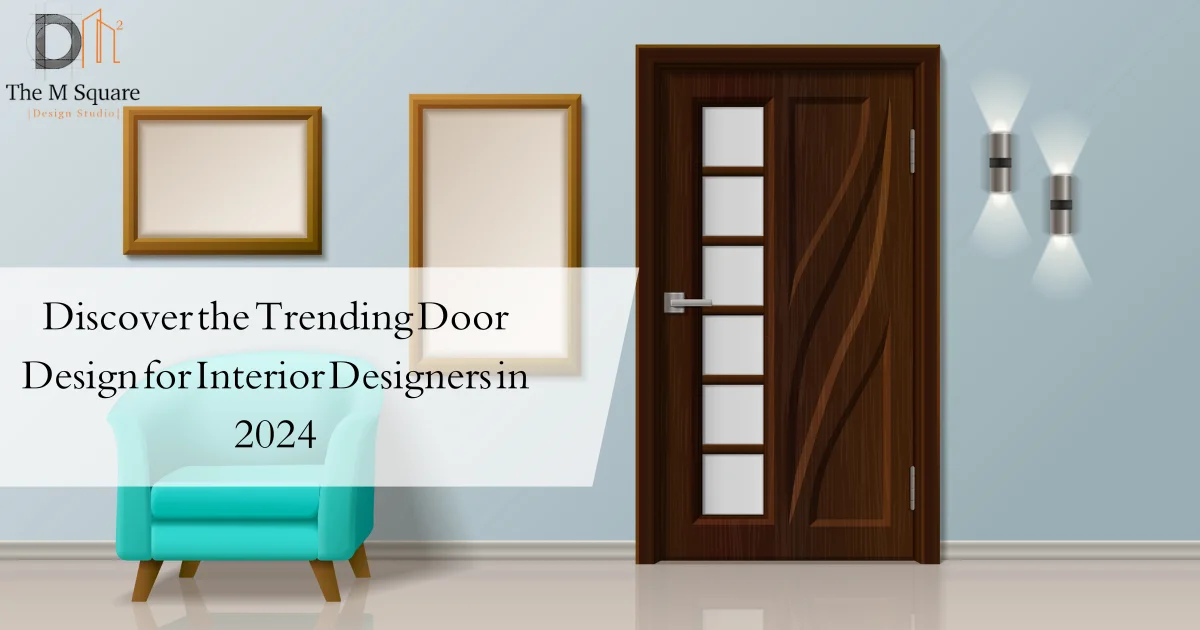
Door design has become a fascinating idea of architectural innovation in Pakistan in 2024! As we enter into this world of humble doors. we met an interesting journey of wood and designs woven on it. In this article, we’ll delve into various wooden door designs. And explore their value and appreciate the importance of architecture. Types of wooden doors: Ashwood: Ash is a light-coloured and smooth-grained wood that features straight grain and beige to light brown it’s the most attractive option for both furniture and doors. Therefore, people prefer to choose doors made of pure ashwood as it’s generally stronger, sturdier, and lighter in shade. Also, ashwood is smooth to the touch, unlike other coarse wood materials. You can clean it easily by wiping it with a soft cloth. Kailwood: If you are looking for a highly durable and reliable choice for your doors, then nothing could beat Kail Wood! which is affordable for every budget and requirement. Kail wood doors are long-lasting and exceedingly reliable! It’s very lightweight and also features straight grains. Deodar: Bring unparalleled warmth, uniqueness, and individuality to your home with beautiful solid deodar wood doors generally, known as Himalayan cedar and commonly deodar. But what makes them the most unique and reliable type of doors? Manufacturers extract their wood from the national tree of Pakistan. Their wood also has a great-even texture, which makes it an ideal type of door for every home and office. Cherry: Cherry is one of the most desirable woods. It is a fine and Especially, stable closed-grained wood. Its heartwood colour ranges from light to medium reddish-brown. Its sapwood is a light creamy colour. Cherry is sometimes characterized by the presence of Small dark gum flecks. Mahogany: Rich, durable mahogany wood adds a natural elegance to the exterior of your home. The beautiful wood grain and quality craftsmanship make this one of our most popular doors. Trending wood door design in Pakistan: In Pakistan! Homeowners are turning to the aesthetics of their homes. The choice of wood is essential in the realm of door design in Pakistan. Some of the popular wood types include: Classic panel doors: Classic panel doors are a timeless choice for interior and exterior home designs. They are known for their elegant appearance, durability, and ability to complement various architectural styles. These panels are typically surrounded by frameworks of stiles and rails, creating patterns from simple to intricate. When you choose a classic panel door for your home, consider the architectural style and existing decor to ensure a cohesive look. Smart door technology: The Smart doors refer to technology-advanced entryways that integrate various digital components to enhance security, convenience, and automation in modern homes. These doors can be controlled remotely through smartphones or other connected devices, offering homeowners greater control and accessibility. Creative use of glass: Glass is a versatile material that can add elegance, transparency and a touch of modernity to any space. While it is commonly, used for windows and doors, there are numerous creative ways to incorporate glass into interior design. Glass doors enhance aesthetics and illumination. but, they may compromise privacy. Front door design: It’s your front door, that speaks volumes about your style, and it is the face of your home. The front door sets the tone for the entire house. The front door designs in Pakistan are often characterized, by warmth and welcome due to the country’s cherished hospitality tradition. Garage door design: Garage doors focus not only on aesthetics but also on functionality and security. It is hard to find, a garage door that combines durability and design as well as solid wood. Room door design: It’s the entrance to a room that sets the tone for what lies beyond. There is a tremendous variety of room door designs available in Pakistan, ranging from classic to contemporary. The versatility of solid wood doors allows you to express yourself with intricate that echo traditional craftsmanship or sleek Trending door Interior designer in Lahore: As you navigate the ever-evolving landscape of door interior designers in Lahore, you may find yourself intrigued by the subtle shifts taking place in the aesthetic realm. Stay tuned to discover the trends that will redefine the essence of home. Less is more with velvet: The velvet door trend is growing in popularity, and it’s easy to see why. Such doors add a touch of luxury to any home as they are subtle and eye-catching at the same time. Comfortable workspace: The choice of home office doors extends beyond aesthetics; it plays a pivotal role in enhancing productivity and promoting your unique style. Bringing outdoor in with glass doors: Natural light not only brightens your space but also creates a warm and inviting atmosphere. It’s no secret that well-lit interiors contribute to a healthier environment. Conclusion: elevating your space with a wooden door design: In 2024, wood door design in Pakistan is more exciting than with a range of wood types styles. Wooden doors are both functional elements and artistic expressions of architecture. The world of wooden door design has a wide range of possibilities. Give your doors a timeless sophistication by embracing the elegance of solid wood. Contact us for freindly advice Blank Form (#4) Δ First NameLast NameEmailSubjectYour MessageSubmit Form
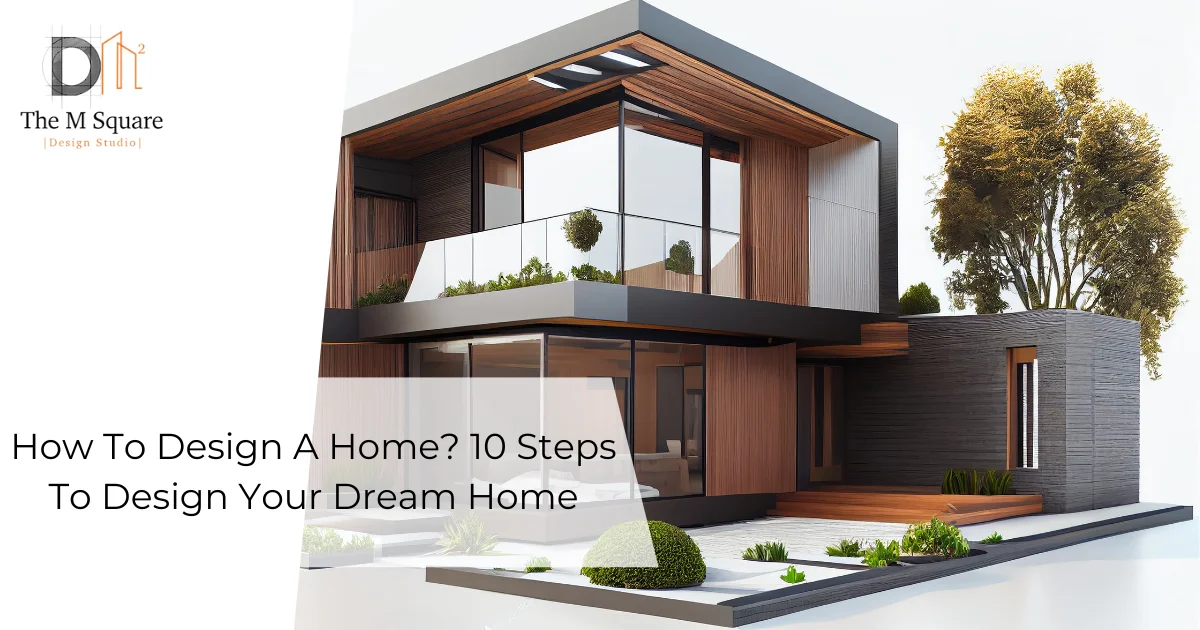
Creating a home is a thrilling adventure that enables you to turn your visions into actuality. Whether you are starting from the ground up or remodeling a current area, the experience can be difficult but also fulfilling. Each stage, from outlining your desires to picking the right materials, is important in designing a home that showcases your style and fits your lifestyle needs. Step 1: Define Your Needs and Wants Prioritize your requirements by evaluating your lifestyle before starting the design process. Take into account elements like the number of bedrooms, layout preferences, and wanted amenities. By clearly identifying your desires and requirements, you can develop a design that matches your ideal vision for a home. Assessing Your Lifestyle Consider how you utilize your existing space and pinpoint areas that could be enhanced. Do you enjoy hosting gatherings and require a large kitchen and dining space? Are you someone who works from home and needs a separate office area? You can customize your home design to meet your unique requirements by knowing your lifestyle. Identifying Must-Have Features Create a catalog of must-have characteristics for your ideal home that cannot be compromised on. Prioritize features that will improve your daily life and add to your overall happiness, whether it’s a gourmet kitchen, a luxurious master suite, or a cozy outdoor living space. Step 2: Set a Budget Before the beginning of your journey in home design, it is crucial to set up a practical budget. Take into account variables like building expenses, supplies, and expert charges, and distribute money appropriately. By establishing a budget at the beginning, you can prevent exceeding expenses and maintain financial discipline throughout your project. Understanding Cost Factors Investigate the expenses linked to building and remodeling homes in your region. The cost of labor, materials, and permits can differ greatly based on where you are and the size of your project. By grasping these cost elements, you can create a budget that mirrors your financial situation and objectives. Allocating Funds Wisely Once you have established your budget, arrange your spending to concentrate on the areas that matter most to you. Dedicate funds to critical components like structural strength, top-notch materials, and expert services, and be ready to cut back on non-essential areas where necessary. Step 3: Choose a Style The design of your house establishes the atmosphere for its overall appearance and mirrors your individual preferences and tastes. Selecting a style that resonates with you, whether it be modern minimalism, rustic charm, or traditional elegance, is crucial for achieving a cohesive and harmonious design. Exploring Different Architectural Styles Seek inspiration from different architectural styles worldwide and examine the unique qualities of each style. There are numerous design styles to choose from, ranging from modern and stylish to traditional and timeless. Take into account exterior finishes, rooflines, and window treatments when figuring out which style aligns with your vision. Matching Your Style to Your Preferences Consider how your selected style fits with your way of living and personal tastes. If you appreciate open, spacious environments, a modern style with simple lines and minimalistic decorations could be perfect. On the other hand, if you desire warmth and comfort, a classic design with luxurious textures and ornate details could be more appropriate for your preferences. Step 4: Consider the Floor Plan The layout of your home is essential, as it sets the groundwork for its design and greatly influences how it functions and flows. Decide between an open-concept layout or a traditional arrangement, taking into account the purpose of each space and how they connect. Evaluating Space Requirements Consider the dimensions and design of each room and how they will meet your requirements. Take into account variables like the movement of traffic, arrangement of furniture, and availability of natural light to maximize the functionality of every area. By thoroughly assessing the amount of space you need, you can guarantee that your floor layout will be suitable for your current and future needs. Maximizing efficiency and performance Make sure to consider how the rooms are connected and how they flow from one area to the next. Strive to establish a coherent progression that enables smooth navigation within the household. Take into account elements like lines of sight, entrances, and flow patterns to improve the efficiency of your layout design. Step 5: Select Exterior Features The exterior of your home is the first thing visitors see, so it’s essential to make a lasting impression. From architectural details to landscaping elements, every aspect of your home’s exterior should contribute to its curb appeal and reflect your style. Creating outdoor living areas Enhance your landscape enjoyment by creating well-designed outdoor spaces that expand your living area. Whether it be a small patio, a large deck, or a peaceful garden oasis, outdoor living areas provide a way to interact with nature and appreciate the beauty of your environment. Take into account elements like seating arrangements, fire pits, and plants to design appealing outdoor spaces that can be utilized throughout the year. Step 6: Focus on Interior Design Designing the interior of your home reflects your personality and style, making it important to establish functional and welcoming spaces. Every aspect, from furniture and decorations to color schemes and materials, plays a role in creating the atmosphere of your home. Designing Purposeful Environments Think about the function of each room and create layouts that complement your daily routine and interests. Prioritize functionality and comfort in your interior design, whether it’s for family gatherings in a cozy living room, culinary adventures in a sleek kitchen, or rest in a serene bedroom. Infusing Personality and Style Inject your personality into your home’s design with thoughtful touches and personalization. Whether it’s artwork, family photos, or cherished heirlooms, incorporating meaningful elements into your decor adds character and warmth to your space. Experiment with color, texture, and pattern to create a look that feels uniquely yours. Step 7: Pick Quality Materials Quality materials are the foundation of a well-built home and
Congratulations! You have decided to begin on an exciting journey to build or renovate your dream space. But with so many decisions to make, where do you start? Two main players emerge at the forefront: architects and construction contractors. Although their roles may seem switchable, it is important to understand the different expertise each brings to the table for project success. Rather than the general description, this blog looks at the deep differences between architect vs contractor in 2024. We learn about their individual talents, navigate a constantly changing construction site, and also touch upon other issues such as the impact of technology and environmentally friendly building practices. Role Of An Architect Consider the architect like Michelangelo in your project. They combine creativity, technical knowledge, and an unchanging commitment to transforming our customers’ visions into functional and aesthetically beautiful spaces. Their responsibilities are: • Concept Design: The architect is the mastermind behind the original concept. They listen to your needs, understand your lifestyle, and translate them into a coherent design plan. This includes sketches, 3D models, and mood boards to bring your dreams to life. • Room Planning: Ensure optimal use of space. From maximizing natural light to creating efficient traffic flow, their expertise prevents post-construction regrets. • Building Codes and Regulations: The complex web of building codes and regulations is an architect’s strength. These ensure that the project complies with all safety and legal requirements. • Sustainability: In 2024, green building practices will be more important than ever. Architects are experts at incorporating elements like sustainable materials, energy-efficient design, and rainwater harvesting to future-proof spaces. Did you know? According to a 2023 Houzz & Home survey, 82% of homeowners prioritize sustainability features when renovating their kitchens! Architects can help you achieve this while staying within budget. Role Of A Contractor The contractor is the person in charge of the project. They take the architect’s plan and turn it into concrete reality. Their main responsibilities are: • Project Management: From scheduling subcontractors to managing budgets and schedules, contractors ensure projects run smoothly. They anticipate challenges and communicate effectively with everyone involved to ensure a stress-free experience. • Construction Expertise: contractors have extensive knowledge of construction techniques, materials, and safety protocols. By comprehending the complexities of the building process, they can recommend budget-friendly options while maintaining high standards. • Subcontractor Coordination: A successful project requires the cooperation of a variety of skilled workers, including electricians, plumbers, and carpenters. The contractor handles the hiring, scheduling, and monitoring of these subcontractors to ensure that operations are seamlessly integrated. • Technology integration: The construction industry is using technologies such as Building Information Modeling (BIM) to improve coordination and visualization. Forward-thinking contractors make good use of these tools to increase project efficiency. Architect and Contractor Collaboration Ideal scenario? Having both an architect and a building contractor on board. They work best when they work together. Although their roles are different, they work together to achieve your vision. Architects provide original ideas and technical specifications, while contractors implement them. Here are some lesser-known aspects of this collaboration. • Value Engineering: During the design phase, architects and contractors work together to identify cost reduction opportunities without compromising quality or functionality. This may include suggestions for alternative materials or construction methods. • Site Inspections: Regular site inspections ensure that the building complies with the plans and address any unforeseen problems that may arise. Both architects and construction contractors bring their expertise to these visits. • Change Order: Unexpected situations may arise during construction. “Change orders” are created by architects and contractors to document any deviations from the original plan and modify the budget accordingly. So, Who Do You Need? Architect vs Contractor The choice between an architect and a contractor depends on the scale and complexity of your project. Here’s a breakdown to help you decide: Smaller Projects (Renovations, Kitchen/Bath Remodels): For smaller projects, a skilled contractor who can interpret existing plans and handle construction might suffice. Larger Projects (New Builds, Major Renovations): For complex projects, an architect is crucial. They’ll create a detailed design, manage permits, and guide you through material selection, ensuring your vision aligns with your budget. They can also help you find a qualified contractor who can execute the design flawlessly. Bonus Tip: The Interview Advantage When interviewing potential architects and contractors, don’t just focus on experience and price. Ask questions that reveal their design philosophy, problem-solving skills, and communication style. Look for someone who gives you confidence and feels like a good fit for your project and personality. Building your dream space is an exciting but complex process. Understanding the different roles of architects and contractors can help you make informed decisions and assemble the perfect team to make your vision a reality. Please remember, Successful projects are built on clear communication, collaboration, and a shared passion for creating something truly great. Contact us for freindly advice Blank Form (#4) Δ First NameLast NameEmailSubjectYour MessageSubmit Form
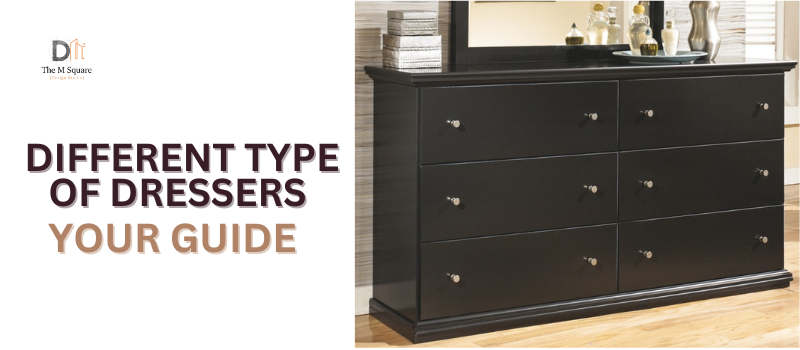
Dressers are paramount elements of furnishings typically seen in bedrooms and dressing rooms. They generally consist of a collection of drawers piled vertically or horizontally, usually escorted by a muted texture on top for extra storehouse or show space. Their primary function is to deliver storehouses for personal things, such as apparel and additions, assuring that the living area stays managed and clutter-free. The structure and construction of dressers can differ widely, there are different type of dressers varying from easy and practical to ornate and embellishing, depending on the type and primacy of the owner. They are usually constructed from wood, such as oak, pine, or mahogany, although other materials like metal or plastic may also be utilized. Some dressers feature detailed carvings, inlays, or ornamental hardware, adding aesthetic charm to the work. Dressers generally come in a combination of sizes to accommodate various storehouse requirements and spatial conditions. A tall dresser, also understood as a chest of drawers, shows more vertical hold space and is perfect for rooms with restricted floor area. On the other hand, a wide dresser, usually directed to as a unit or a double dresser, supplies much horizontal storage area and may possess a mixture of drawers and cabinets. In complement to their practical sense, dressers can also function as focal points or articulation elements in a room’s interior. Selecting different type of dressers dresser that complete the prevailing aesthetic of the room can improve the visible attraction of the space and donate to its atmosphere. For instance, a smart and stylish dresser with refined lines and minimalist structure may serve a modern bedroom, while a vintage or antique dresser with elaborate detailing may count as feeling to a additional classic or eclectic surroundings. Across the board, dressers play a paramount part in keeping arranged and clean living conditions while also contributing to the class and décor of a space. Whether utilized for holding garments, linens, or individual belongings, these universal elements of furnishings offer both functional and aesthetic importance to any living room. DIFFERENT TYPES OF DRESSERS Dressers come in diverse types, individually delivering exceptional characteristics and functionalities to fit various repository requirements and format choices: HOW DRESSERS AFFECT YOUR INTERIOR Dressers play an important part in shaping the interior designing aesthetics of a space and can have a significant effect on its overall atmosphere and functionality. Firstly, dressers contribute to the community and tidiness of an area. By supplying storage for garments, linens, and personal things, dressers assist keep chaos at bay and make a more organized setting. A well-organized space encourages a feeling of calm and relaxation, making it more comfortable to guide and enjoy the living space. Also, dressers can act as focal facts or statement elements within a room’s décor. The type, structure, and finish of a dresser can enormously impact the visible attraction of the space. Whether elegant and contemporary, rustic and vintage, or ornate and extravagant, the dresser’s aesthetic can establish the tone for the whole room. For example, a smart, minimalist dresser can complement a modern interior, while an intricately cut antique dresser can add personality to a traditional or mixed space. Moreover, dressers can contribute to the functionality of a space exceeding reasonable storage. Different type of dressers with mirrors, for instance, not only deliver a suitable area for grooming and acquiring anticipatory but also mirror light, making the room seem larger and brighter. Likewise, dressers with more elements like built-in organizers, jewelry trays, or charging stations improve usability and efficiency, catering to the exact requirements of the residents. Overall, dressers are versatile pieces of furniture that involve both the visual aesthetics and practical functionality of interior spaces. By integrating storage accommodation with style and design, dressers assist create cohesive and inviting living environments that reflect the individual preferences and lifestyles of the residents. Contact us for freindly advice Blank Form (#4) Δ First NameLast NameEmailSubjectYour MessageSubmit Form
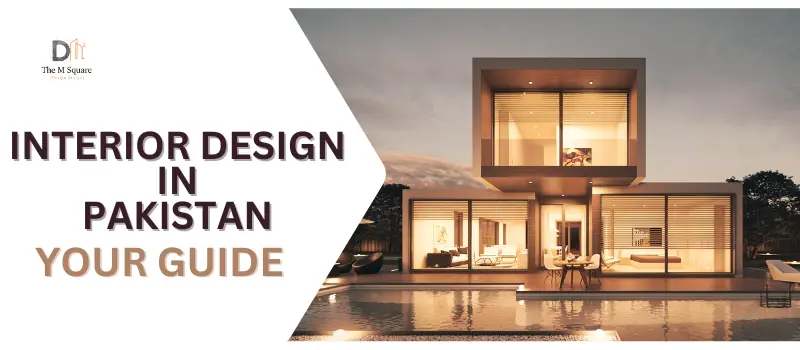
Interior design is a multifaceted occupation that helps in constructing aesthetically tempting and practical indoor areas. Interior designers are assigned to comprehend clients’ requirements and priorities, using their inventiveness, specialized mastery, and understanding of design directions to convert spaces into cohesive and balanced designs. It contains the craft and science of improving the interior of a place to execute a healthier and more aesthetically engaging atmosphere for the individuals using the space. Key elements of interior arrangement include space planning, color coordination, furniture choosing, lighting setup, material preference, and decorative components. Interior designing can be done in any place, whether residential or commercial. Interior designers can take on projects of designing various areas such as offices, marts, cafes, hotels, and resorts. Interior designers must also think of aspects such as building regulations, principles, and accessibility prototypes to make secure and appreciative surroundings. In complement to constructing visually attractive spaces, interior designers constantly seek to improve the well-being and quality of life of the people by combining factors of sustainability, ergonomics, and soundness design guides. All around, interior design plays a vital part in shaping the path individuals experience and interact with the areas around them, making it a crucial element of architecture and environmental innovation. The M Square is a construction company in Lahore that also provides services in interior design and is widely recommended by people for the best interior design in Pakistan. Our expert interior designers understand the complete procedure and end up having a meeting with architects, engineers, and constructors to ensure the designing which should be both practical and aesthetically approved. EFFECTS OF INTERIOR DESIGNING Interior designing enormously impacts an area’s aesthetic charm, functionality, spatial perception, perspective, harmony, and personalization. Via the detailed preference of shades, surfaces, designs, furnishings, and ornamental components, inventors construct visually attractive surroundings that show the class and importance of the occupants. Whether it’s a minimalist, contemporary, rustic, or mixed design, the selections assembled in interior design profoundly affect the overall atmosphere and magnificence of the space. Interior design predominantly concentrates on improving the visible glamour of a provided space. Moreover, functionality is an essential concern in interior setup. Creators set the necessities and activities of the users to assemble structures that optimize area utilization and flow. Sufficient space planning guarantees that furnishings setups and traffic practices are facilitative to the planned processes of the space, whether it’s a comfortable living space, efficient kitchen, generative office, or accommodating retail store. Interior design plays a paramount position in shaping spatial perception. Design features such as lighting, coloring, ranking, and balance can exploit the perceived dimensions and balances of a space. For example, strategic usage of lighting can improve the illumination and spaciousness of short space, while carefully selected shades and furnishings collections can create a considerable space that senses additional personal comfort. Our interior designers are experts, they have a complete understanding of aesthetics and preferences, and we make sure to highlight our client’s ideas and guidelines throughout the project. Also, interior design impacts the attitude and surroundings of an area. By choosing suitable materials, colorings, lighting fixtures, and additions, creators can make surroundings that produce clear feelings and sentiments. A well-designed bedroom may encourage leisure and restfulness, while a vivacious and bright eatery can energize and encourage its customers. Agreement and cohesion are even important elements of interior design. Designers aim to build balanced designs by blending blooms, designs, surfaces, and techniques throughout the area. This guarantees that all components function jointly and cohesively, constructing a suitable and visually engaging atmosphere. Interior design in Pakistan allows for personalization and self-expression. People can customize their areas to contemplate their preferences, affections, and lifestyles. From choosing furniture components to demonstrating significant paintings and complements, interior design allows people to invest their qualities into their surroundings, forming areas that sense uniquely theirs. INTERIOR DESIGNING: PROVIDING COMFORT AND STYLE Interior designing is instrumental in supplying both convenience and class to an area, improving the prevailing rate of living or operational surroundings. Here’s how interior designing accomplishes this credit: In the end, interior designing is one of the most crucial concepts while building a house or office, it is impossible to build a cozy and comfortable place without the help of interior designers. We have mentioned a guide to how you can make your place trendy and aesthetically appropriate. The M Square offers the best service for interior designing in Pakistan. Contact us for freindly advice Blank Form (#4) Δ First NameLast NameEmailSubjectYour MessageSubmit Form

Looking for perfect furniture trends that help you to enhance your space? Are you confused about what is trending? Or are you finding it hard which brand you should choose for your furniture? We will be highlighting top furniture brands in Pakistan in today’s blog, here you will find some of the finest options. We have got your back, Welcome to The M Square, we know our clients’ demands and we make sure that whatever they choose should be comforting and relaxing to them. So here we welcome our valuable clients in the world of comfort where we mix creativity in functionality so that our customers can easily find the furniture of their choice. As we are observing the new trends every day it is hard to choose any one from them, as they are all aesthetically pleasing and look so comforting. We have seen the traditional fusion and innovation. As we start further prepare yourself for such intricating artistry and fusion ideas that can give your imagination and ideas a new shape. SUSTAINABILITY AND DURABILITY Knowing that, we should also know that trends are not about aesthetics and contrasts only, societal impacts and technological advancements play a vital role. Environmental consciousness is important while you are purchasing your furniture. In the world we are living in today, sustainability is not just a buzzword, but we all take responsibility for it, people are driven towards eco-friendly options. The material and the innovative ideas are repeatedly checked to create the pieces that are not only furniture but created in a way that also leaves a footprint on the environment. Our construction company in Lahore is offering interior designing services for our clients. So that they can make their homes and offices look more pleasing we also guide and introduce them to top furniture brands in Pakistan. Our interior designers are the experts and have an idea of how sustainable and eco-friendly furnishing items participate in environmental factors. While designing the interiors of our client’s homes, our interior designers introduce our clients to eco-friendly items. And guide them to choose their furniture from that specific list as it embraces durability and sustainability. FUNCTIONAL FURNITURE: A PIECE OF ART Imagine yourself you are walking into a room with all sorts of furniture pieces with no resemblance or connectivity to each other, will that be pleasing? Similarly, imagine you are walking into a room where every piece of furniture shows connectivity to every other piece. The resemblance of color and aesthetics makes you pleased, and provides you with a comforting vibe. We often neglect how furniture can impact the overall look and vibe of the place. However, it has a huge impact on a person’s aura as well. While understanding that we should take a step and choose our furniture in a way where every item tells a story. Every corner looks pleasing and the colors, texture, and curves should provide a vibe mixing all of it it ends up as a cozy place. FURNITURE DESIGNS AND TRENDS As we are diving deep into design and trends, we can see the rise in multifunctional designs. People are changing their choices from traditional to fusion and modern living. From a set of modular sofas we can see people moving towards the options that provide storage. At the same time, such examples are L-shaped sofas with storage and ottomans with storage solutions. There are many configurations and possibilities, and the vision is endless. We can also observe the vintage charm making its place back in the market sector and people are going crazy for that charm. The old craftsmanship meeting the modern design, the fusion itself is very charming and attractive. Our expert interior designers guide our customers, to choose wooden and retro-inspired pieces. As they provide warmth to the space and also give a modern touch to the place. Wooden coffee tables with beige tablecloths alongside retro accent chairs. Simply provide the cozy ambiance, homely vibes, and pleasure at the same time. LIST OF TOP 10 FURNITURE BRANDS IN PAKISTAN We care about you, we care about your place and we make sure that you get the best of all. For that purpose, we have gathered the list of the top furniture brands in Pakistan, so you can easily choose whatever you want. Above mentioned top furniture brands in Pakistan are very reasonable and environmentally friendly. The M Square is on a journey to introduce our clients to better and more sustainable furniture. We make sure that we gather the brands. And guide our clients to go for more unique, modern, and durable options. We believe in timeless creativity from traditional to fusion we make sure to approach all ideas. Our interior designers choose wise options that are economically and environmentally beneficial and help. We believe in designs where dream comes to life.
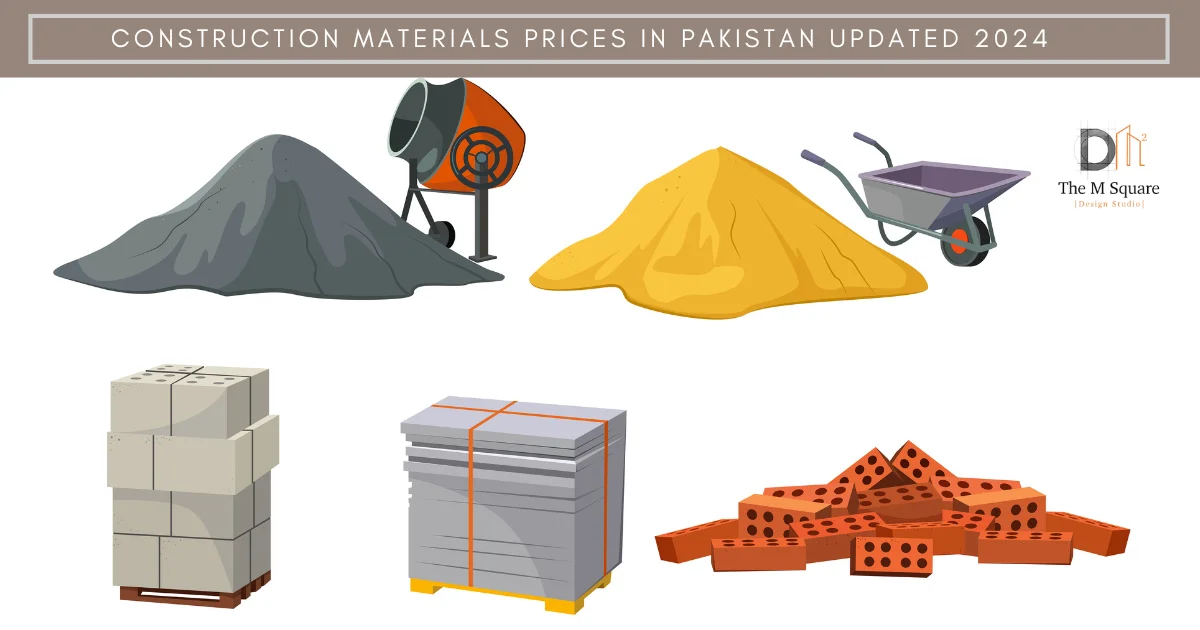
if you are going to construct a new home or any other structure you need to know the latest construction materials rates in Pakistan 2024. Let’s go through the captivating world of construction substances and their prices in Pakistan. Whether planning a renovation, remodeling, or constructing a new property, understanding the costs of various building materials is pivotal.In this blog post, we will discuss the construction material prices in Pakistan today and list any dissimilarities you can use during construction. Cement:F If you are the best construction company in lahore you know cement is the backbone of the construction Services of the project. it serves as a binding agent for other materials. The recent depreciation of the Pakistan rupee against the dollar has increased raw materials costs. As a builder, it’s essential to factor in cement prices when estimating project expenses. There Many types of cement are available in the market.Natural cement 1,220 to 1,265 per bagBlast furnace cement 1290.00 per bagPortland cement 1,275_1,285 per bagQuick setting cement 1,250_1,260 per bagColored cement 1,275_1,260 per bagRapid hardening cement 1250_1,260 per bagSULPHATE cement sameWhite Portland cement the sameFAUJI cement 1,245_1,255 50 kg per bag Sand and crush (bajri): Sand plays a crucial role in laying strong funds for buildings it’s used in mortar and making in concentrate.The best sand in Pakistan comes from upper Punjab in the Ravi and Chenab regions.Crushed stone is used for foundation and road construction. The price of sand in Pakistan is PKR 14,000 to 25,000 per cubic foot (trolley) Gravel trolley: PKR 5,000Sand Suzuki PKR 1500 Crush (bajri) price in Pakistan is PKR 50 to 80 per cubic foot. Steel: Steel is commonly used for pillars, beams, and roof construction. and also steel reinforcement bars provide structural strength, their cost fluctuates due to market dynamics considering the quality needed for your project.It provides structural strength and durability. Steel: the rate per kilogram ranges from PKR 240 to 265. Bricks: The standard price of bricks in Pakistan is (PKR 13 to 15 per brick) Concrete: The unyielding nature of concrete it a durable, long-lasting material choice. It resists erosion, fire, rotting, rusting, and weathering with relative ease, requiring minimal building material. The concentrate is a mixture of water, gravel, cement, and limestone. Due to its longevity and formidability, it is amongst the most popular materials used across Pakistan. The different types of concrete used for laying the structuring and foundation of the building are as follows: Plain cement concrete Reinforced cement concrete Restressed concrete Fibre-reinforced concrete Brick-reinforced concrete Lime concrete Cement Concrete Wood: It’s used in home construction and furnishing, transportation, and the manufacturing of countless consumer products. Hardwood is commonly used in the construction of walls, ceilings, and floors. Windows and tiles: Choose wisely for energy efficiency and aesthetics.Tiles (per square meter) PKR 900 to 2,000Doors (plywood, per square foot) PKR 350 to 750Aluminium windows (PKR 1100 to 1450 per square foot) Steel is iron bar ( PKR 240 to 265 per kg)Marble ( PKR 80 to 120 per square foot) Tiles quality and brand dependent (PKR 900 to 2,000 per square meter) Marble and iron Chokhat: Marble ( PKR 60 to 120 per square foot)Iron chokhat for doors (PKR 300 to 520 per square foot including labour) Main Iron Gate (PKR 60,000 to 180,000 per running foot Other Materials: Gravel trolley: PKR 5,000Sand trolley PKR 3,000Sand Suzuki PKR 1,500Concentrate price in Pakistan:The concentrate is a mixture of water, gravel, cement, and limestone. Due to its longevity and formidability, it is amongst the most popular materials used across Pakistan. However, due to their low tensility, iron and steel rods create a reinforced structure.The different types of concrete used for laying the structuring and foundation of the building are as follows: Construction Labour Rate in Pakistan: Labour rates are calculated based on the covered area. The current rate is PKR 250 to 380 per square foot. Labour rates tend to be higher in major cities and lower in smaller ones. Contact Us To Know The Latest Construction Material Prices Hire our skilled team today for the quality construction GET FREE PROPOSAL OR +92 312 9887777
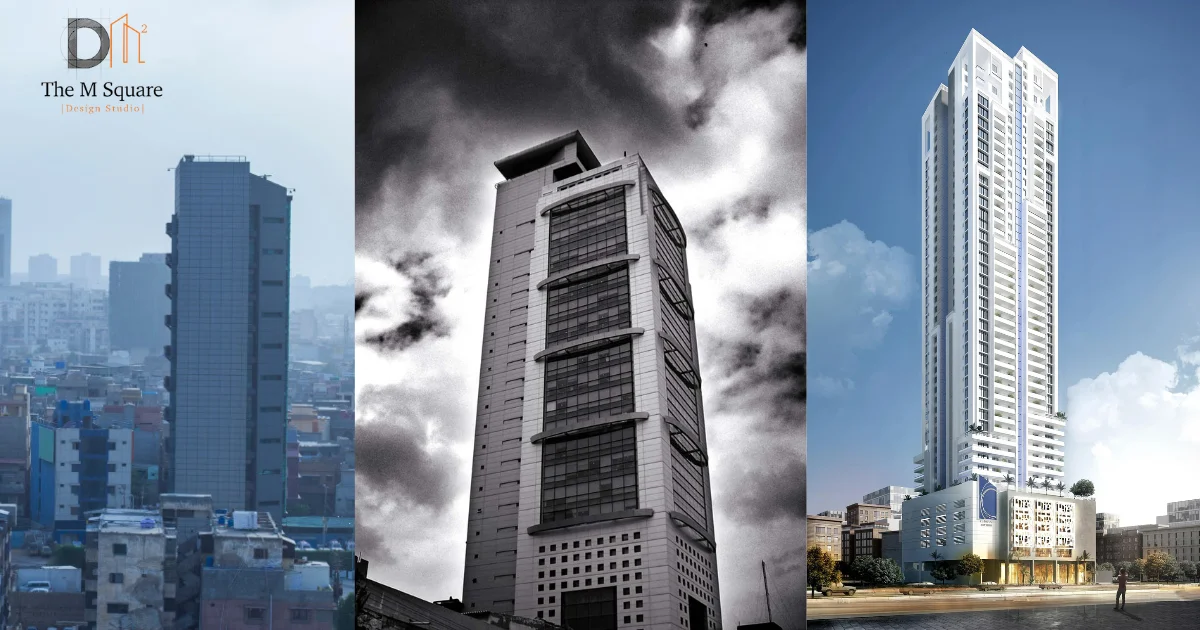
Pakistan, a nation pulsating with rapid development and modernization, boasts an impressive collection of skyscrapers shaping its urban skylines. From Karachi’s gleaming towers to Islamabad’s architectural marvels, the country’s tallest buildings stand as testaments to innovation and ambition.In this blog post, we’ll embark on a virtual tour of Pakistan’s 10 tallest buildings. We’ll delve into their unique features, history, and explore some little-known facts. Whether you’re an architecture enthusiast, a lover of cityscapes, or simply curious about Pakistan’s urban landscape, get ready to have your mind stretched as we journey upwards! The Rise of the Pakistani Skyscraper The history of tall buildings in Pakistan began in the early 1960s with the construction of the iconic Habib Bank Plaza in Karachi. Standing tall at 102 meters, it held the title of the tallest building in Pakistan for several decades. This landmark structure sparked a wave of skyscraper development, particularly in the bustling port city of Karachi.As the years progressed, Pakistan’s architectural services continued to evolve. The emergence of new technologies, building materials, and a growing economy fueled the construction of even taller and more ambitious skyscrapers. These towering structures symbolize Pakistan’s economic aspirations and its desire to stand tall among the nations of the world. Tallest Building of Pakistan Bahria Icon Tower (Karachi) The Bahria Icon Tower reigns supreme as Pakistan’s tallest skyscraper. Located in the bustling metropolis of Karachi, this mixed-use marvel houses offices, apartments, and a hotel. Did you know that the Bahria Icon Tower features a unique twisting design inspired by the “shell of a nautilus”? It’s not just about height – this building showcases cutting-edge architectural aesthetics! Bahria Hotel Tower (Karachi) Yet another Karachi icon, the Bahria Hotel Tower holds the position as the second tallest building in Pakistan. As its name suggests, it’s a luxurious hotel offering breathtaking views of the city and the Arabian Sea. Interestingly, this sleek structure has a dedicated helipad on the roof, allowing for a grand arrival and departure experience. Chapal Skymark (Karachi) The Chapal Skymark makes a bold statement on the Karachi skyline and currently holds the title of Pakistan’s tallest residential tower. A fascinating tidbit: This skyscraper was built in a record time of just three and a half years, reflecting the impressive pace of construction in the city. Dolmen Tower 3 and 4 (Karachi) The twin towers of the Dolmen City complex in Karachi offer a mix of commercial and residential spaces. These structures stand tall as pioneers in modern construction. Did you know that Dolmen City was the first mixed-use development to grace Karachi’s cityscape? These towers changed the way people live and work in the city! Hoshang Pearl (Karachi) Hoshang Pearl adds a touch of elegance to Karachi’s skyline with its residential apartments. It boasts a range of amenities that cater to luxury and comfort, including a swimming pool, gym, and even a cinema! This tower reflects Pakistan’s growing demand for high-end living spaces. The Centaurus (Islamabad) Situated in the heart of Islamabad, The Centaurus is a mixed-use development with residential towers, a 5-star hotel, and a sprawling shopping mall. A unique fact: This complex features a unique, eye-catching three-tower design interconnected at the base, making it an architectural landmark in the capital city. MCB Tower (Karachi) The MCB Tower, a landmark in Karachi’s financial district, once held the title of Pakistan’s tallest building. This office tower reflects the city’s long-standing position as the commercial hub of the country. Interestingly, its sleek design makes it stand out amongst the older Karachi structures showcasing modern architectural trends. Telecom Tower (Islamabad) Also known as the Ufone Tower, the Telecom Tower houses the headquarters of a major telecommunications company in Islamabad. While not as tall as its Karachi counterparts, this building holds significance in being one of the earlier high-rises in the capital, paving the way for future urban development. The Fascinating Details Beyond the basic facts and figures, the world of Pakistan’s tallest buildings is filled with fascinating stories and lesser-known details. Here’s a glimpse into some of the intriguing aspects that often get overlooked: The Future of Skyscraper Development in Pakistan The future looks bright for skyscraper development in Pakistan. Several ambitious projects are currently in the pipeline, promising to push the boundaries of height and design even further. Here are a few exciting things to watch out for: