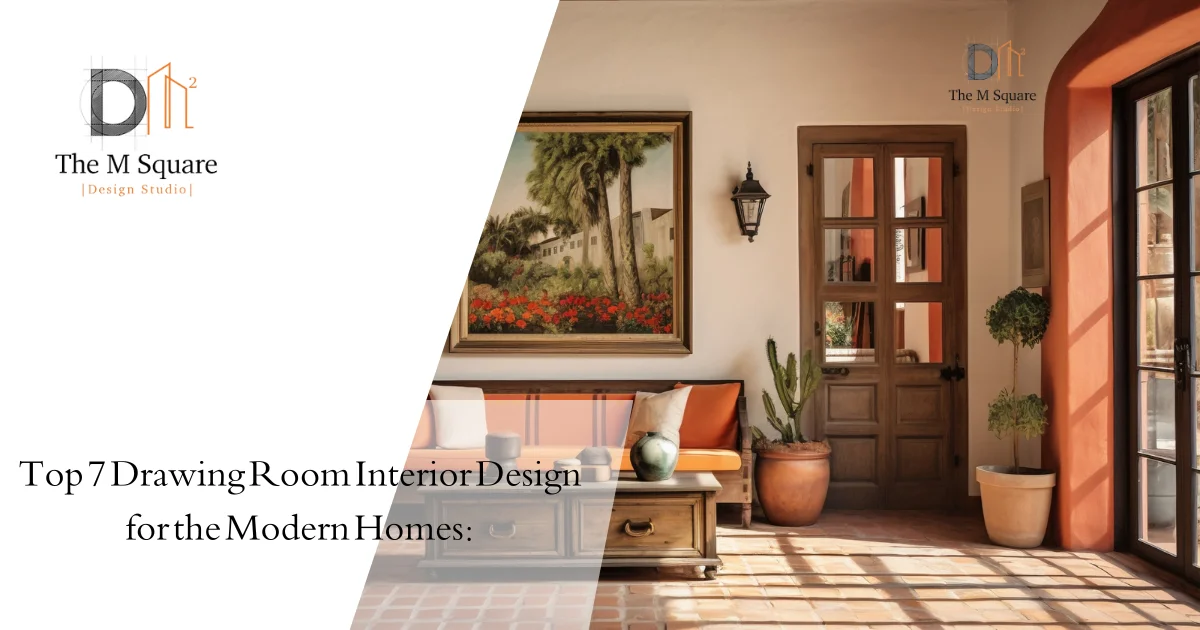
The drawing room is where guests are welcome when they enter the house. Today, the number of houses that have drawing rooms has decreased. The importance of home interior design in the Lahore complex talks about drawing room designs. So, the interior design of the drawing rooms is essential and can show your personality and lifestyle. Let’s explore the drawing room decoration ideas in Pakistan! Drawing room Interior designer in Lahore: Interior design in Lahore is the most critical issue in every home. So, decorated drawing rooms are precious. You can design a lovely one for your home. Even with a small drawing room, you can have an excellent drawing room interior design. Accent wall still in style: You can even consider putting up one big statement piece on the wall, like a painting, that will draw a lot of attention. The simple way to create an accent wall is by picking an aesthetic. In addition, you can use the new pre-assembled wall decoration tools; a suitable wall light can be an attractive decorative item for your lovely drawing room. Light fixture in the living room: The drawing room is where you host a get-together for your guests. You are bound to have ample light to set the mood right. If you’re selecting a fixture, start with a favourite element in the room and look for a light that complements it. For example, lightening with clean lines will enhance your space if you have a modern sofa. Naturalistic design in interior design: You can decorate your drawing room by putting a plant in the corners. You can even try to get some low-maintenance plants if you do not have a garden thumb. Naturalist design incorporates natural elements to achieve clean, fresh, comfortable and authentic homes. Mirrors reflecting surface: A mirror creates an illusion of space, especially in rooms or drawing rooms, helping the space appear larger. The mirrors would reflect most of the light falling onto them back into the room, whereas wallpaper absorbs most of the light reaching it. You can lean on a large mirror against a wall, hang it on a mantle, or position one at the entranceway to achieve this effect. Keep simple things: While simple elements have their charms, your drawing room has a statement piece or two. So, selecting distinctive furniture pieces that possess unique characters without being overwhelming is essential. Also, simple paintings such as water paintings, watercolour paintings, nature paintings, sunset paintings, acrylic paintings canvas, or any incredible paintings like gond art can be good as paintings for drawing rooms. Also, There is no need for drawing room sofas to be extremely royal, formal or highly comfortable. It is enough to choose a style sofa suitable for the room’s space and interior decoration. Side and centre table for drawing rooms: The side table should reflect the style of its interior. If the room follows a minimalist design, choose a side table design that has a beautiful design with simplistic details. Centre tables for drawing rooms help us homelike guests. In addition, by using appropriate table décor items like table lamps. You can also place some magazines, comic books, and novels on the table so your guests can enjoy them. Sofa design for drawing rooms and living rooms: Sectional sofas are ideal for modern living and drawing rooms with large areas. For brutalist interiors, an armless sofa or couch is the best choice. A suitable contemporary interior design, first of all, includes choosing the right furniture. Conclusion: Drawing room interior design: f you enhance your room, we have compiled inspiring ways to do so. Whether you are for a splash of colour and eye-catching furniture arrangements, these drawing room interior design ideas are sure to create an elegant space. You can transform your drawing room into a beautiful and interactive space. Contact us for freindly advice Blank Form (#4) Δ First NameLast NameEmailSubjectYour MessageSubmit Form
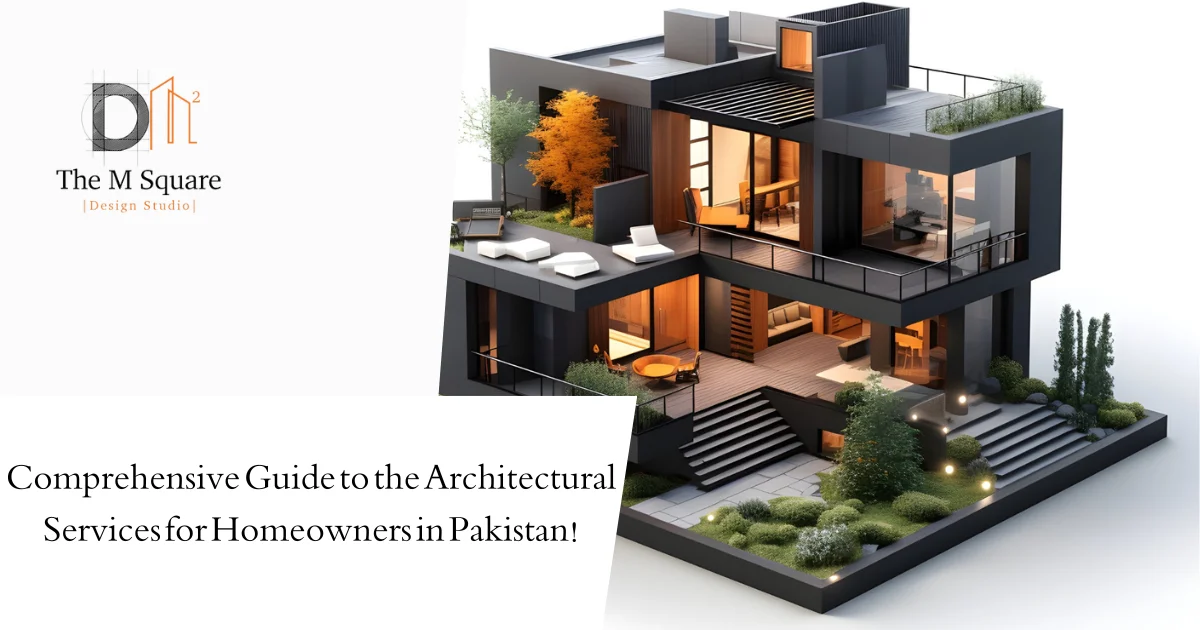
Welcome to Architect in Lahore, the heart of Punjab. The city’s architectural firms are at the forefront, shaping the skyline with many structures that blend functionality with aesthetic appeal. If you decide to build the new residence from the bottom up, begin with a reputable team of builders construction in Lahore. Based on the experience of many homeowners, you should never ignore hiring this specialist. Join us as we explore a portfolio of standout projects that reflect the genius of Lahore’s top architectural minds. Innovation in Lahore’s architecture services: Innovation architecture is more than just a trend; it’s the fundamental shift in how spaces are conceived and constructed. The city’s top architects harness cutting-edge technologies and creative design to redefine what buildings can represent. Contemporary house designs: Contemporary house designs are gaining immense popularity in Pakistan as they embody the essence of modernity and push the boundaries of innovation and style. Contemporary house designs encapsulate the spirit of modern living. Choose the proper plot: When buying a land parcel, you should conduct a comprehensive location analysis. It helps you to make the right decision that aligns with your objectives and safeguards your investment. The journey to constructing your home begins with finding the perfect plot. A plot with a road on all sides or at least two sides is the best, and this is why corner plots are priced a little higher than plots with a front-side road. Choose the Right materials: Insulation is the material that reduces heat transfer between the inside and outside of a building, While ventilation is the process of exchanging indoor and outdoor air. Technology options vary widely in terms of cost, efficiency and environmental impact, and be careful with your climate zone, building designs and energy needs. Solar access can be a valuable resource or a potential problem for your building throughout the year. In dry climates, provide adequate ventilation and drainage to prevent moisture accumulation and promote evaporation. Opting for construction packages: Selecting construction packages is an effective strategy for cost management. These pre-designed and priced packages cover your project’s design, materials, labour, and offerings like fixed and hassle-free processes. Ensuring quality assurance and compliance: When it comes to building your home, not only is managing costs essential, but ensuring the quality and longevity of your home is equally crucial. Quality, assurance and evaluating production processes to ensure that products consistently meet specified quality standards. Modern lounge designs: Modern lounge designs put an emphasis on minimalism and focus on uncluttered clean lines. You can scuptures and artwork to add visual interest. You can add minimal light fixture like pendant light. Integration of nature and traditional elements: You can incorporate natural and traditional element ino modern architecture to create a harmonious space. Courtyard are a traditional feature and provide space for outdoor activities. Wooden element can be incorporated into design in forms of wooden louvers, beams or rafters. You can use natura materials like wood and marble for flooring and accent walls. Exterior spaces: Exterior spaces play important role in modern architecture. The design and layout of exterior spaces is influenced location, climate and personal preferences of the homeowner. You can incorporate courtyards in your modern house. a sunken courtyard is a great idea for a cozy and intimate setting. In conclusion: Our guidance will simplify understanding the construction journey, help manage expenses, and guarantee your home’s quality and durability. The architectural landscape of Lahore is rich and varied, marked by the ingenuity and creativity of its top architects. For those looking to embark on new construction or renovation projects, engaging with these distinguished architects ensures a partnershipthat values innovation, client satisfaction and architectural integrity. Contact us for freindly advice Blank Form (#4) Δ First NameLast NameEmailSubjectYour MessageSubmit Form
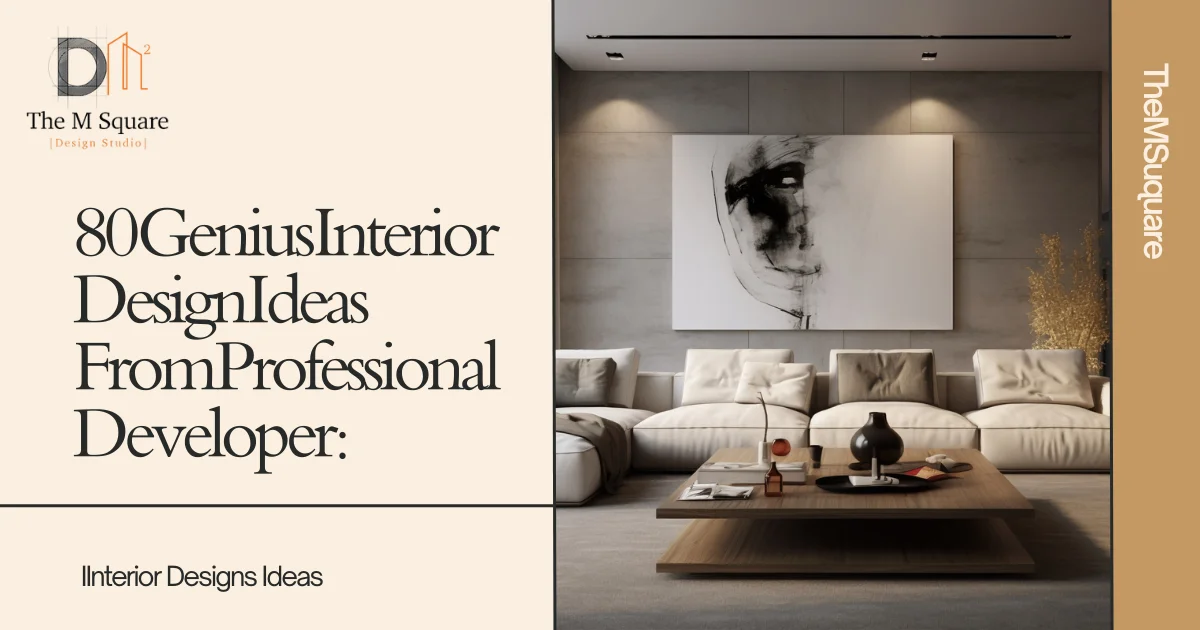
Knowing your favourite interior designer in Lahore decorating secrets would cure the analysis you feel Every time. Even if you feel confident in your design choices, wouldn’t you consult an expert if given the chance? Interior design is all about how we experience spaces. It’s a powerful, essential part of our daily lives and affects how we live, work, play, and heal. Designers ensure these spaces are aesthetically pleasing, making them more enjoyable for everyone who uses the buildings. Here are some Interior Design Ideas list Whitewash: Using a paintbrush, apply the thinnest wash mix to a small area and work a rag quickly to wipe it off. Colour combination: create a colour scheme that’s bright, contemporary and full of life. Skirt a vanity: Add a skirt with an adjustable curtain rod. Dividing the cloth into pieces creates easy-to-part drapery. Antique furniture: Adds elegance and charm to your living space and serves as a long-term investment over time. Bar concept: to make your bar stand out. Crafts a diverse and appealing drink menu that matches your theme. Classic style kitchen: classic kitchen styles are simple. Timeless features and neutral colour palettes ensure a look that’s neither too ornate nor impersonal. Painted wooden flooring: you can touch up the floor paint and floorboards as frequently as needed. Square footage: glass shower doors add instant square footage to complete the illusion and run the floor tiles straight into the stall. Colour scheme: The colour scheme allows the eye to move comfortably from one focal point to the next. It’s also simple to use. Decorate with heirlooms: you might display your favourite cartoons from the New Yorkers or a set of prints you’ve removed from an old art book. Create a floor plan: create a floor plan by drawing a bird’s eye view of a room on a sheet of graph paper. Asymmetrical thinking: get creative when thinking about form and function. A client in a traditional Georgian home needed it to work in her modern way of entertaining. Purpose of the ceiling: The ceiling is to hide floor and roof construction. And favourite places for decoration from the earliest times: either by painting the flat surface or emphasizing the structural members of the roof or floor. Style your bookshelf: add some tall, eye-catching objects to anchor your arrangement, whether vases, candlesticks or a piece of sculpture. Splash of colour to a room: use bright flowers and florals to add a lot of dimension and colour to any interior space. Use of colour splash: selectively colour your photos that turned into black and white old and sepia photos by using touch. Warm décor your home: make your home visually and genuinely warmer and brighter by adorning your rooms with candles. Texture to a neutral room: choose a different textured pillow on a sofa and throw it over the back. Have rug on top of wood floor. Add style and character: the colour, upholstery and decorative choices of the modern sofas can be the defining elements that breathe life into a space-contemporary. Use textiles as part of your design: The process of planning and producing a fabric’s appearance and structure. Lightning in interior design: The use of light to enhance the aesthetics and purpose of a specific space. Add personality to a character design: create contract, harmony, or balance in your character’s body, face, and clothing, depending on their personality and mood. Splurge on the primary bath: the spurge everyone should make is a fabulous primary bathroom. Element of interior design pattern: the interior design element includes space, line, form, light, colour, texture and pattern. Lightening in interior design: natural lighting can achieved using windows, skylights, or mirrors. A large window or skylight is a way to bring natural light into a room. Accent walls in style: ccent walls have consistently remained a go-to design choice for homeowners looking to update their spaces with ease and style. The Good investment in interior design: interior design provides a cost-effective upgrade, crucial for maximizing resale value. Decorate tall ceilings: Add unexpected art and window treatments. And furniture to match the room’s scale. Curtain in interior design: curtain in interior designs, decorative fabric commonly hung to regulate the admission of light at windows. Start from the top: look up! We use the ceiling a lot. Through them, we define the lines and beauty of a space. Art in interior design: when considering art for an interior space, it should be based on how it will add to the style and feel of the space. Decorate around a radiator: f lat-panel radiators are nice and slim, so you can conceal them behind a cover quite easily without them eating up too much of the room. Trust your instincts: you’ll be sure to create Amazing spaces that reflect your style. Decorator light switch: the décor switch is the newer type of light shaped in a large rectangle roughly 1.25 wide by 2.5 tall. Interior design affects your mood: Bright, warm colours stimulate energy and happiness while cool, subdued colours are soothing. Room a reflection of your mind: your room is more than just a space where you sleep. The room is a reflection of your mind and who you are. Mixing metals in style: mixing both has been on the rise for a while, and this easily wearable trend quietly started picking up. Collective Interior Design: Collective Designs is an award-winning interior design studio that creates stunning bespoke interiors for bars, restaurants, pubs, cafes and retailers. Backsplash in Interior design: A backsplash refers to the material used to cover the upper cabinets. Velvet touches: incorporate velvet into furnishings whether it’s a sofa, cushions, or curtains. Terrazzo surface: Traditionally used on floors or walls, terrazzo can add a retro touch to your home. Macramé wall hangings: create a boo atmosphere with Macrame art on your walls. Fluted glass: use fluted glass for doors. Bold colour blocking: paint walls in contrasting colours or use colour-blocked furniture pieces. Statement lightning: choose
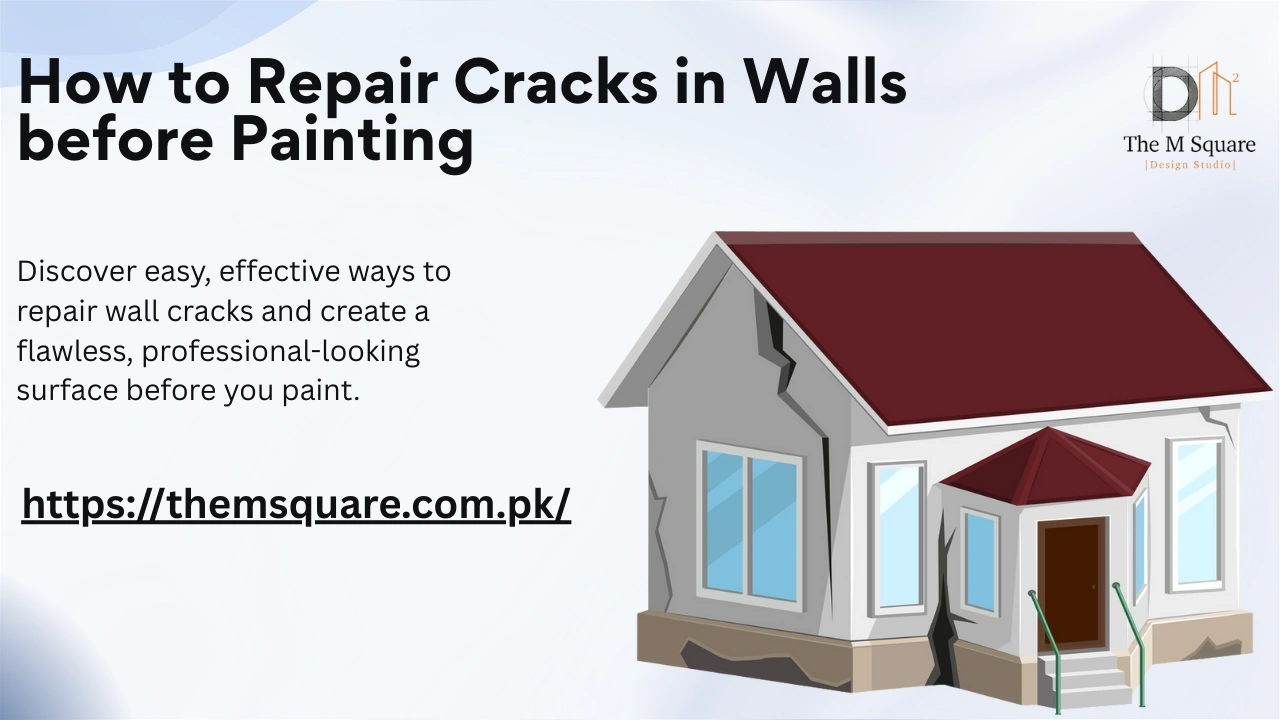
Before you start painting your walls, have you ever noticed those annoying cracks that seem to pop up everywhere? Whether they’re small hairline fractures or bigger gaps, cracks can really throw off the look of a freshly painted wall. But don’t worry, repairing them is easier than it sounds! In this guide, we’ll show you how to fix those cracks step-by-step so you can get a smooth, flawless finish. Whether you’re doing it yourself or working with an interior designer, this simple process will help you create a beautiful, polished space. Let’s dive in and get those walls ready for their new look! Why Repair Cracks Before Painting? Before diving into the steps, it’s important to understand why repairing cracks is essential for a successful painting project. Cracks in the wall not only disrupt the appearance but can also allow paint to be absorbed unevenly, resulting in blotchy and inconsistent coverage. Furthermore, unaddressed cracks can expand over time, which might lead to structural issues if left untreated. Repairing cracks provides several benefits: Smoother finish: You’ll have a smooth, even surface for paint application, making your walls look polished and professional. Prevent further damage: Fixing cracks early prevents them from worsening and causing deeper damage. Better paint adhesion: Filler and primer help the paint adhere more effectively, resulting in a more durable finish. Enhanced appearance: A crack-free surface will make your walls look neat and fresh, contributing to the overall aesthetic of your room. Step-by-Step Guide to Repairing Cracks in Walls 1. Identify the Cracks The first step in repairing cracks is identifying where they are located. Check all the walls for visible cracks, holes, or dents. Cracks can range from small, hairline fractures to larger, deeper ones that require more extensive repair. Once you’ve located all the imperfections, assess their size and depth. The larger the crack, the more preparation it may need. 2. Gather the Right Tools and Materials To repair cracks effectively, you’ll need a few essential tools and materials. Here’s a list of what you’ll need: Putty knife or drywall knife Joint compound or wall filler Fiberglass mesh tape (for larger cracks) Sandpaper (medium and fine grit) Primer (to seal the patched areas) Painter’s tape (optional) Clean cloth or sponge Drop cloths or plastic sheeting to protect the surrounding area These materials will help you properly fill and smooth the cracks, ensuring a professional look once the paint is applied. 3. Clean the Wall Before repairing the cracks, clean the area around the crack to remove dust, dirt, or grime. Use a damp cloth to wipe down the wall, ensuring that the surface is free from any debris. Cleaning is crucial because dirt or moisture can prevent the filler from adhering properly to the wall, leading to poor results. 4. Prepare the Crack for Repair Depending on the size of the crack, the repair process will differ slightly. For small, hairline cracks: Use a utility knife or a razor blade to gently widen the crack into a V-shape. This allows the filler to bond better to the wall and prevents the crack from reappearing in the future. For larger, deeper cracks: Apply a piece of fiberglass mesh tape over the crack. This tape adds support and reinforces the repair. After applying the tape, cover it with joint compound, ensuring it is embedded properly. 5. Apply the Filler Using a putty knife or drywall knife, apply joint compound or wall filler into the crack. Start by pressing the filler into the crack, ensuring it’s slightly overfilled to account for any shrinkage as it dries. For large cracks, apply the filler in layers, letting each layer dry before adding the next. Make sure the filler is level with the surrounding wall to avoid uneven surfaces. For cracks that are particularly wide, consider using a plaster base coat before applying the joint compound. The plaster creates a solid foundation for the repair, preventing the crack from reappearing. 6. Let the Filler Dry Allow the filler to dry completely. Drying times can vary depending on the product you use and the room’s conditions. However, it’s usually a good idea to wait 24 hours for the filler to dry thoroughly before proceeding. Rushing this step could lead to poor results and uneven sanding. 7. Sand the Area Smooth Once the filler is dry, use medium-grit sandpaper to gently sand the patched area. The goal is to smooth out any excess filler and ensure the repair blends seamlessly into the rest of the wall. After using medium grit, follow up with fine-grit sandpaper to achieve a smooth and flawless finish. Be sure to sand evenly and carefully, as aggressive sanding can damage the wall or remove too much filler. Sanding ensures that the wall is as smooth as possible before you apply primer and paint. 8. Clean the Surface Again After sanding, dust off the area with a clean, damp cloth to remove any sanding dust. Cleaning is important because dust can interfere with the adhesion of the primer and paint, leading to an uneven finish. 9. Prime the Repaired Areas Once the wall is clean and dry, apply a coat of primer over the repaired cracks. Priming is essential because it helps seal the filler and creates an even surface for the paint. Priming also ensures that the paint color is consistent across the entire wall. Let the primer dry according to the manufacturer’s instructions. 10. Paint the Wall Now that the cracks are repaired and primed, it’s time to paint. Choose the paint color that suits your space and apply it over the entire wall. Use a roller for large areas and a brush for edges or corners. Apply at least two coats of paint, allowing the first coat to dry before applying the second. Ensure the paint covers the patched areas seamlessly for a smooth, flawless finish. Extra Tips Thin Layers are Better: If you have a big crack, put on a few thin layers of filler instead of
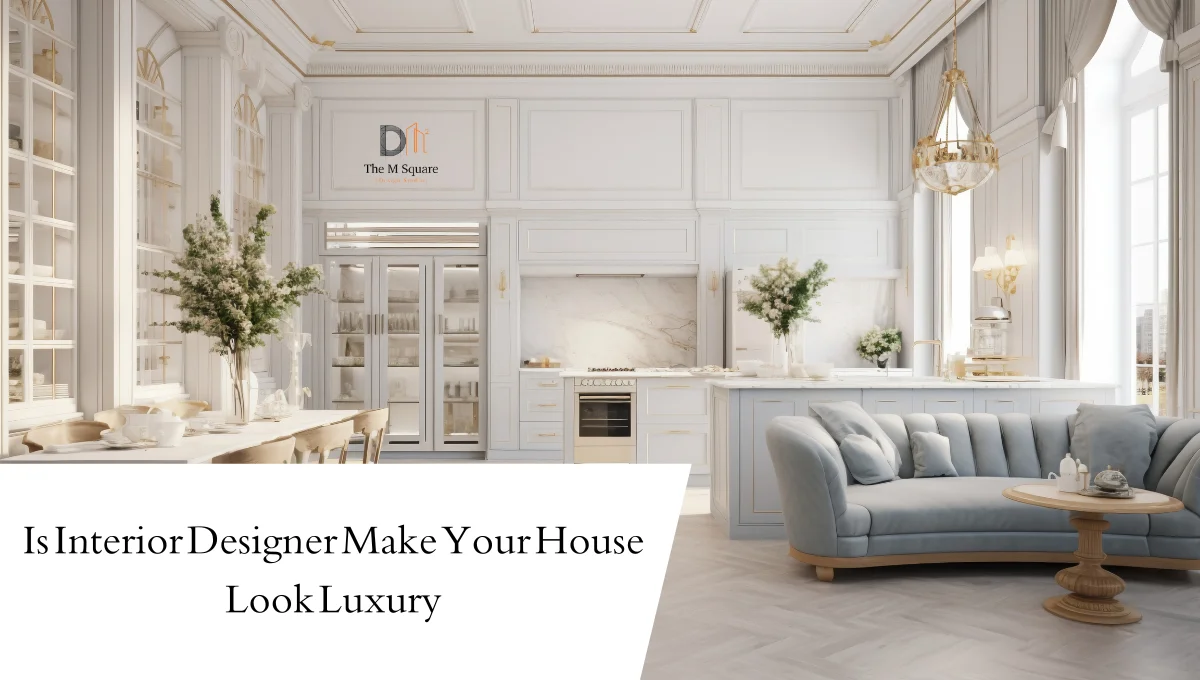
Introduction: We mostly hear from our elders that the best homes have everything in an apple pie order. Interior design seems simple, but it demands nerve-breaking efforts, colour selection, and converting your ideas into a reality. We shape our homes, and our homes shape our personalities. It is all about a professional service that reflects your personality and practical requirements. You start from scratch, and it requires precautionary measures, consideration of the client’s needs, and proper execution of your ideas. Furthermore, the very first step of house interior design tells about your vision, lifestyle, aspirations, and actual needs. Once the vision is clear, it sets fundamental grounds for all interior design decisions. There is a need to make adequate space planning. Natural colour combinations set the tone and style of your ideal home. Always understand the worth of environmental factors during the process of interior design. Our guide will explore every corner of interior design ideas that will surely save you time and energy. After reading our guidelines, you can make a very satisfactory decision about the Interior design of your home. Mastering Interior Design: Our interior design professionals believe home design is more than just arranging furniture. It is about creating a peaceful place where you feel like heaven. We will uncover all the secrets of home design. The following points will help you to develop a dream interior design: 1- Prioritising your style The most crucial step for interior design is to select your style. Are you inclined toward modern designs, a true nature lover, or passionate about historical work? Your style will speak about your design choices. As a result, we develop an enchanting look in your home. 2- Attractive layout design Effective space planning is essential so that you can enjoy your comfort zone. You must consider the flow of traffic, crossed air passage, and proper lighting for each room. Furniture placement at the right places develops your dream living experience. 3- Colour selection matters Colour combinations predict your taste, sense of humour, and personal ambition for your home interior design. Colours have direct access to your emotions, and they influence your mood. Select a colourful pattern that combines with the atmosphere ideally for each room. Do experiment with different shades. Always prefer perfection in your colour combinations, as colour selection always matters. 4- Furniture selection and placement Furniture selection and placement give extra room to your interior design. Invest in quality furniture that promises comfort and classical style. There is a need to consider the size of each piece so that they become harmonious in space. 5- Natural light and ventilation Natural light and ventilation are fundamental to every home interior design project. Designers understand the worth of ventilation in each room. Experts enhance natural light through window placements in every room. Additionally, floor plans and skylights reduce the burden of extra lights and make every segment of your interior design. Both of these factors ensure a proper air passage and a healthy lifestyle. Energy efficient features improve interior design: Costs of energy have been skyrocketing day by day. Energy-effective solutions improve your interior design. They reduce the harmful impacts on the environment. Energy-efficient devices should be installed very carefully to ensure an eco-friendly home. Sustainable and effective home interior designs are long-lasting, reliable, and secure. Furthermore, eco-friendly substances such as recycled wood promise sustainable living experiences. Interior design trends There are numerous trends in house interior design. Clients and their interests are the major factors influencing the industry’s upcoming interior design trends. The market industry is very flexible in the case of interior design trends. Cultural heritage, religious influence, and personal association have drastically altered the measuring standards of interior design trends. Some people prefer to recover ancient households, while others are interested in buying new, modern, and updated household items. Well, it does not matter whether you own new items, yet Interior design trends directly influence your dream home. Ideal practices to deter your pests It is crystal clear that no one will like the entry of unwanted pests into one’s home without any reason. The ideal way is to keep your home clean. Some environmentally friendly ideas deter pests and they discourage them from entering your living place. To deter Ants: You can practise multiple ways to deter Ants. There are some kinds of spray shelves in your home design. You construct them in order to get rid of ants. Secondly, you can put spearmint near the positions of ants. To deter cockroaches: The ultimate way is to sprinkle a protective layer inside the foundation of your walls during construction. Secondly, putting the ends of the cucumber near their positions also promises worthy results. Feature walls increase the beauty of your interior design: Feature walls have become very popular in today’s era. They highlight the main points. There are allocated areas for the public and staff. You experience drama and movement in those areas. You have other options for using wallpapers according to your taste and style. How do you get the ideal home interior designer in Pakistan? Numerous construction companies exist in Pakistan. Theme Square is not only a construction company but also provides interior design, renovation, architecture, and landscape designs. They provide the best interior designer services in Lahore. Stop dreaming! Call us for excellent interior design services in Pakistan. Location: Tipu Motors, ist Floor, Chungi No.8, L.M.Q Road Multan Call For Free Consultation : +923129887777 Email: DMsquare@hotmail.com Conclusion: It is concluded that interior design increases space that directly impacts your living styles. There are multiple factors that have close linkage with home interior design including: proper ventilation, colour psychology, space planning, and furniture selection. You transfer your home into heaven by constructing a bridge between your needs and vision. Maintaining a balance between your design and practical adoptions is very important. Ultimately, ideal home interior design aims to construct a home that brings joy, satisfaction, and inner peace. We provide the best and perfect interior home design service
It is both a craft as well as a science, which involves creating and building buildings as well as other physical buildings. It is a key factor in shaping the surroundings in which people work, live as well as enjoy. From prehistoric times until the contemporary times architectural styles have developed, reflecting the current values of society, technology advancements as well as cultural developments. Types of Architecture in Pakistan Pakistan is a country with a long history as well as a variety of architectural styles. These styles represent the country’s diverse and long time. Let’s take a an overview of the most popular kinds of architectural styles you’ll see in Pakistan: Indus Valley Civilization Architecture The earliest buildings found in Pakistan are from the old Indus Valley Civilization that occurred around 2500 BCE. Cities such as Mohenjo Daro and Harappa were planned well, with straight streets, well-designed drainage systems and even dimensions of bricks, demonstrating the early skills of city planning. Islamic Architecture Islamic architectural style is extremely common across Pakistan which was brought in by Muslim rulers. Its main features include: Moscheles and Mausoleums They usually have high towers, domes, (minarets) with stunning tilework. For example, the Badshahi Mosque in Lahore and the Faisal Mosque in Islamabad are excellent examples. Mughal Architecture Mughal Architecture: The Mughal period saw famous structures which incorporated Persian, Islamic, and Indian styles. It is the Lahore Fort and Shalamar Gardens are famous for their huge dimensions, intricate designs as well as their gardens. Colonial Architecture The time of British time, colonial buildings gained popularity, particularly in cities such as Karachi as well as Lahore. It includes: Government Buildings: Constructions like Quaid-e-Azam’s Mausoleum as well as Frere Hall in Karachi show British colonial designs, which include Gothic Revival, neoclassical, and Indo-Saracenic styles. Railway Stations and Churches A lot of churches and railway stations from that time period are built in Victorian and Gothic designs, featuring elaborate designs and pointed arches. Modern Architecture In the years following independence, Pakistan saw a mix of contemporary and traditional architectural designs. Modern architectural styles within Pakistan comprises: Commercial and skyscraper buildings Cities such as Karachi and Lahore are home to many high-rises and contemporary commercial structures with steel and glass designs that focus on simple and efficiency. Architectural Design for Residential Homes: Contemporary homes within cities blend contemporary styles and traditional elements such as gardens and courtyards that are suitable to the local climate and cultural. Vernacular Architecture Vernacular architecture is a term used to describe traditional building methods used in rural areas employing local materials, and adapting to the local environment. Examples include: Mud Houses: In regions such as Tharparkar homes made from clay and mud are popular and provide natural insulation from extreme temperatures. Timber houses The northern parts of the country, such as Chitral and Swat the timber industry is extensively employed because it’s easily accessible and great as insulation. Religious and Cultural Heritage Sites Pakistan is home to many sacred or cultural monuments, each with various architectural styles: Sikh Architecture Sikh Architecture: The Gurdwara Kartarpur Sahib and Gurdwara Panja Sahib are both important Sikh sacred sites that have large altars for prayer and elaborate decorations. Hindu Temples The Katas Raj Temples as well as Hinglaj Mata Temple show Hindu influences on architecture. They feature intricate carvings and towers that are multi-tiered. Top Architecture Services Providers in Pakistan Pakistan has a number of great architectural companies who design everything from houses to huge commercial structures. Below are a few of the best architecture firms within the country: 1. The M Square M Square M Square is a famous design firm in Pakistan. It was founded by Maruf Jamal, they’re recognized for their innovative and sustainable design. They offer services related to the areas of urban planning, landscaping design as well as interior design. 2. Arcop Associates (Pvt) Ltd. Arcop Associates is a leading architectural company. It was founded in the year 2000 by Arif Hasan Suhail Abbasi and Perween Rahman in the year 2000, they concentrate on helping communities. They’ve designed a variety of structures, such as their own Karachi School of Business and Leadership as well as The Dolmen Mall in Karachi. 3. Habib Fida Ali (HFA) Habib Fida Ali is a renowned architect in Pakistan His company continues to work. HFA is known as a firm with their simple and innovative styles. HFA has worked on significant initiatives like for instance the State Bank of Pakistan Building as well as The Karachi American School. 4. Ahed Associates Ahed Associates is a well-respected architect firm providing a diverse variety of services that include urban design and planning. They’re known for top-quality construction projects such as The Punjab Information Technology Board Office and a range of residential properties. 5. Suhail & Fawad Architects Suhail & Fawad Architects is one of the top firms known for creative designs and environmentally sustainable methods. They’ve completed a variety of initiatives, including their Emporium Mall in Lahore and the Centaurus Mall located in Islamabad. 6. Tariq Hasan Architects (THA) Tariq Hasan Architects is recognized for its innovative and modern design. They provide architecture design, interior design, as well as managing projects. Some notable projects include projects like the Islamabad Serena Hotel as well as upscale residential structures. 7. Coalesce Design Studio Coalesce Design Studio is known for its eco-friendly and modern design concepts. Coalesce Design Studio is working on commercial, residential and even institutional structures, such as Beaconhouse School System buildings and corporate offices. 8. Icon Architects Icon Architects is a top company that is known for its innovative and functional design. They provide the design of architectural structures as well as interior design and landscaping architecture. They’ve created luxury residences commercial and residential buildings as well as schools. 9. Concept Architectural Services Concept Architectural Services is known for their detailed and customer-focused design. The projects they work on range from tiny houses to massive commercial development. 10. Ali Arshad Associates Ali Arshad Associates is a known firm that
House designs in Pakistan built in the contemporary style tend to have open floor plans, with a minimum number of doors and walls restricting the flow of the space. The idea is to offer maximum functionality by keeping the space ajar. Interior Designer in Lahore can be an overwhelming task. But, with the right approach, it can be an enjoyable experience with home décor ideas. We all want an aesthetically pleasing and comfortable space that aligns with our taste, budget and style. If you are planning to construct a new house and looking for a different design, you understand the designs and architectural styles currently trending in Pakistan. Exploring the best house designs in Pakistan: Pakistan’s architectural landscape is as diverse as its culture, reflecting a rich tapestry of regional styles and modern influences. From the bustling streets of Karachi to the serene valleys of Gilgit-Baltistan, the country caters to a wide range of preferences and environmental conditions. In this blog, we’ll explore the best house designs that have shaped the Pakistani housing market from reality to concept. Modern architecture: Today’s modern house design in Pakistan architecture embraces a combination of Industrial elements. A home plan typically has open floor plans. Modern architecture uses sustainable building materials and incorporates eco-friendly design elements. The popularity of this style among homeowners means there are plenty of options. Minimalist house design: Minimalism promotes conscious decision-making about belongings, time, energy, and relationships. Minimalists authentically valued simplicity and rejected superficial mass consumerism. In recent years, minimalism has emerged as a popular house design in Pakistan. It is a design that witnessed global hype in the post-industrialization era when the drift of incorporating machinery into construction was at its peak. This construction design mostly stays within the subtle hues of white, grey and tan, enhancing the calming appeal of the house. Spanish style architectures: Spanish colonial architecture designs like terra-cotta clay tile roofs with stucco walls, soft arches, and carved wooden doors. Spanish architecture incorporates them in the layout and makes them look aesthetically pleasing. The prominent use of curves and arches is one of the most famous architectures. Such roof patterns are used in contemporary Pakistani house plans, especially in urban areas. This design is popular in Pakistan as it offers a modern-looking house with maximum functionality and moderate ornamentation. Typical French house: A French-style home, also called a French provincial home, is a stone, brick, or stucco house with a steep rooftop and large windows. Featuring Courtyard gardens, iron gates and gravel pathways. French architecture is known for neutral colour palettes inspired by natural surroundings. The French house designs in Pakistan have large windows, adding to the overall symmetry of the structure and giving a taller look. If you enjoy classical designs with steeper symmetry and high walls, then French architecture is to be explored. Industrial architecture: Industrial architecture is the design and construction of buildings facilitating the needs of the industrial sector. The architecture revolving around the industrial world uses a variety of building designs and styles to consider the safe flow distribution and production of goods and labor. Contemporary house design: A contemporary home is a house with design elements and features that reflect today’s architectural style. Although similar to a modern home, contemporary houses come with common characteristics such as clean lines, natural lighting and a minimalist feel. A contemporary home design might sport a traditional exterior with craftsman touches and a modern open floor plan with the master bedroom on the main level. Victorian style Houses: usually have two to three stories with steep, gabled roofs and round towers on the exterior are towers, turrets and dormers, forming complex roof lines as architects sought to create designs that would pull the eye to the top of the house. This house style is sometimes viewed by many as cluttered or overpowered with trim work and ornamentation however, these are the attributes that made Victorian home plans so popular in the first place. International-style buildings: The style is characterized by an emphasis on volume over mass, the use of lightweight, mass-produced, industrial materials, rejection of all ornament and colour, repetitive modular forms, and the use of flat surfaces, typically alternating. In conclusion: The best house design in Pakistan resonates with the homeowner’s style and meets their practical needs. Whether it’s a sprawling villa or a compact urban home, the focus is on creating spaces that are comfortable, practical, and reflective of the homeowner’s personality and lifestyle.
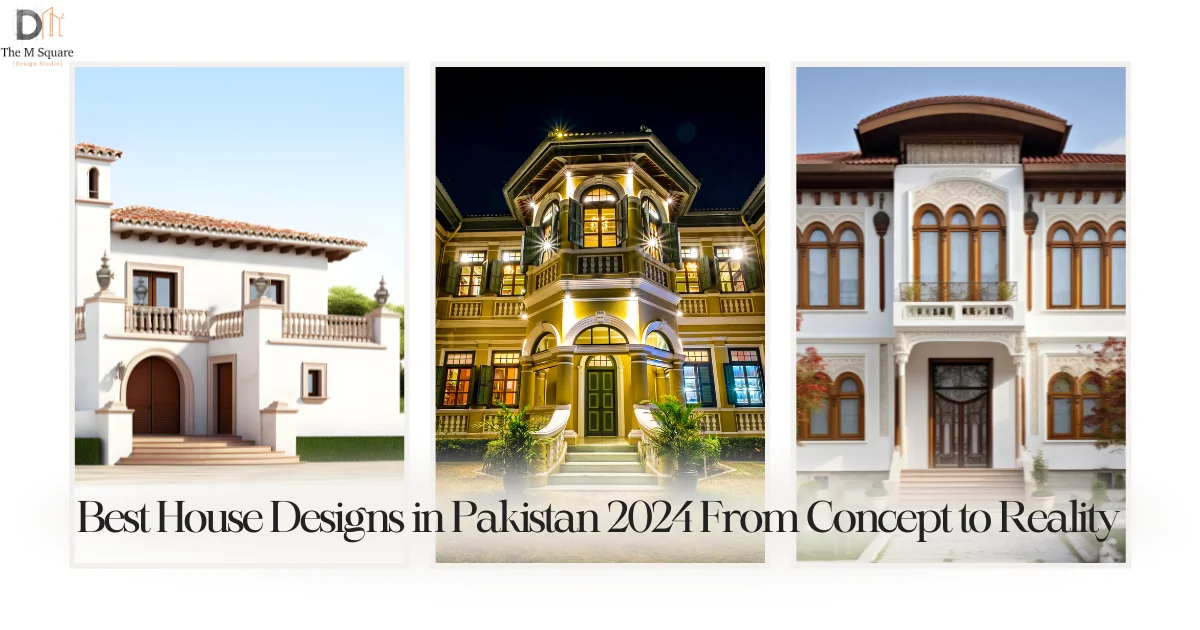
House designs in Pakistan built in the contemporary style tend to have open floor plans, with a minimum number of doors and walls restricting the flow of the space. The idea is to offer maximum functionality by keeping the space ajar. Designing the interior of your space can be an overwhelming task. But, with the right approach, it can be an enjoyable experience with home décor ideas. We all want an aesthetically pleasing and comfortable space that aligns with our taste, budget and style. If you are planning to construct a new house and looking for a different design, you understand the designs and architectural styles currently trending in Pakistan. Exploring the best house designs in Pakistan Pakistan’s architectural landscape is as diverse as its culture, reflecting a rich tapestry of regional styles and modern influences. From the bustling streets of Karachi to the serene valleys of Gilgit-Baltistan, the country caters to a wide range of preferences and environmental conditions. In this blog, we’ll explore the best house designs that have shaped the Pakistani housing market from reality to concept. Modern architecture: Today’s modern house design in Pakistan architecture embraces a combination of Industrial elements. This style is more popular in modern cities of Pakistan like Karachi, Islamabad and Lahore. You can find a reputable interior designer in Lahore to build such houses. A home plan typically has open floor plans. Modern architecture uses sustainable building materials and incorporates eco-friendly design elements. The popularity of this style among homeowners means there are plenty of options. Minimalist house design: Minimalism promotes conscious decision-making about belongings, time, energy, and relationships. Minimalists authentically valued simplicity and rejected superficial mass consumerism. In recent years, minimalism has emerged as a popular house design in Pakistan. It is a design that witnessed global hype in the post-industrialization era when the drift of incorporating machinery into construction was at its peak. This construction design mostly stays within the subtle hues of white, gray and tan, enhancing the calming appeal of the house. Spanish style architectures: Spanish colonial architecture designs like terra-cotta clay tile roofs with stucco walls, soft arches, and carved wooden doors. Spanish architecture incorporates them in the layout and makes them look aesthetically pleasing. The prominent use of curves and arches is one of the most famous architectures. Such roof patterns are used in contemporary Pakistani house plans, especially in urban areas. This design is popular in Pakistan as it offers a modern-looking house with maximum functionality and moderate ornamentation. Typical French house: A French-style home, also called a French provincial home, is a stone, brick, or stucco house with a steep rooftop and large windows. Featuring Courtyard gardens, iron gates and gravel pathways. French architecture is known for neutral colour palettes inspired by natural surroundings. The French house designs in Pakistan have large windows, adding to the overall symmetry of the structure and giving a taller look. If you enjoy classical designs with steeper symmetry and high walls, then French architecture is to be explored. Industrial architecture: Industrial architecture is the design and construction of buildings facilitating the needs of the industrial sector. The architecture revolving around the industrial world uses a variety of building designs and styles to consider the safe flow distribution and production of goods and labor. Contemporary house design: A contemporary home is a house with design elements and features that reflect today’s architectural style. Although similar to a modern home, contemporary houses come with common characteristics such as clean lines, natural lighting and a minimalist feel. A contemporary home design might sport a traditional exterior with craftsman touches and a modern open floor plan with the master bedroom on the main level. Victorian-style Houses: Usually have two to three stories with steep, gabled roofs and round towers on the exterior are towers, turrets and dormers, forming complex roof lines as architects sought to create designs that would pull the eye to the top of the house. This house style is sometimes viewed by many as cluttered or overpowered with trim work and ornamentation; however, these are the attributes that made Victorian home plans so popular in the first place. International-style buildings The style is characterized by an emphasis on volume over mass, the use of lightweight, mass-produced, industrial materials, rejection of all ornament and color, repetitive modular forms, and the use of flat surfaces, typically alternating. This styling of buildings requires a professional architect in Lahore, Karachi, or Islamabad, whichever city you’re building in. In Short The best house design in Pakistan resonates with the homeowner’s style and meets their practical needs. Whether it’s a sprawling villa or a compact urban home, the focus is on creating spaces that are comfortable, practical, and reflective of the homeowner’s personality and lifestyle. Contact us for freindly advice Blank Form (#4) Δ First NameLast NameEmailSubjectYour MessageSubmit Form
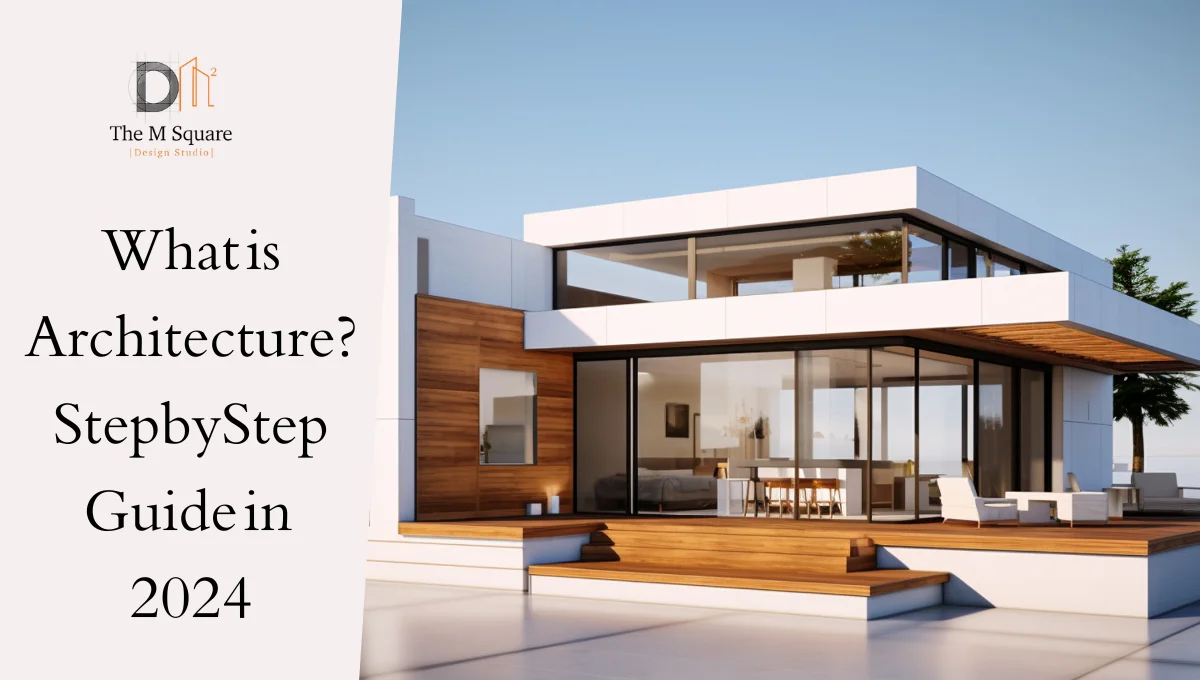
Architecture is both a craft and a science, which involves creating and building buildings and other physical structures. It is a key factor in shaping the surroundings in which people work, live, and enjoy. From prehistoric times until contemporary times, architectural styles have developed, reflecting the current values of society, technological advancements, and cultural developments. Types of Architecture in Pakistan Pakistan is a country with a long history and a variety of architectural styles. These styles represent the country’s diverse and long history. Let’s take an overview of the most popular kinds of architectural styles you’ll see in Pakistan: Indus Valley Civilization Architecture The earliest buildings found in Pakistan are from the old Indus Valley Civilization, which occurred around 2500 BCE. Cities such as Mohenjo Daro and Harappa were planned well, with straight streets, well-designed drainage systems, and even brick dimensions, demonstrating the early skills of city planning. Islamic Architecture Islamic architectural style is prevalent across Pakistan and has been brought in by Muslim rulers. Its main features include: Moscheles and Mausoleums usually have high towers and domes (minarets) with stunning tilework. The Badshahi Mosque in Lahore and the Faisal Mosque in Islamabad are excellent examples. Mughal Architecture: The Mughal period saw famous structures that incorporated Persian, Islamic, and Indian styles. The Lahore Fort and Shalamar Gardens are famous for their huge dimensions, intricate designs, and gardens. Colonial Architecture During British times, colonial buildings gained popularity, particularly in cities such as Karachi as well as Lahore. It includes: Government Buildings: Constructions like Quaid-e-Azam’s Mausoleum and Frere Hall in Karachi show British colonial designs, which include Gothic Revival, neoclassical, and Indo-Saracenic styles. Railway Stations and Churches Many churches and railway stations from that period were built in Victorian and Gothic designs, featuring elaborate designs and pointed arches. Modern Architecture Pakistan saw a mix of contemporary and traditional architectural designs in the years following independence. Modern architectural styles within Pakistan comprise: Commercial and skyscraper buildings Cities such as Karachi and Lahore are home to many high-rises and contemporary commercial structures with steel and glass designs that focus on simplicity and efficiency. Architectural Design for Residential Homes: Contemporary homes within cities blend contemporary styles and traditional elements, such as gardens and courtyards, that are suitable for the local climate and culture. Vernacular Architecture Vernacular architecture is a term used to describe traditional building methods used in rural areas, employing local materials and adapting to the local environment. Examples include: Mud Houses: In regions like Tharparkar, homes made from clay and mud are popular and provide natural insulation from extreme temperatures. Timber houses In the northern parts of the country, such as Chitral and Swat, the timber industry is extensively employed because it’s easily accessible and great for insulation. Religious and Cultural Heritage Sites Pakistan is home to many sacred or cultural monuments, each with various architectural styles: Sikh Architecture: The Gurdwara Kartarpur Sahib and Gurdwara Panja Sahib are both important Sikh sacred sites with large prayer altars and elaborate decorations. Hindu Temples The Katas Raj Temples and Hinglaj Mata Temple show Hindu influences on architecture. They feature intricate carvings and multi-tiered towers towers. Top Architecture Services Providers in Pakistan Pakistan has several great architectural companies that design everything from houses to huge commercial structures. Below are a few of the best architecture firms in the country: 1. The M Square The M Square is a famous Architect in Lahore. Maruf Jamal founded it, and it’s recognized for its innovative and sustainable design. It offers services related to urban planning, landscaping, and interior design. 2. Arcop Associates (Pvt) Ltd. Arcop Associates is a leading architectural company. It was founded in 2000 by Arif Hasan Suhail Abbasi and Perween Rahman. They concentrate on helping communities and have designed a variety of structures, such as their own Karachi School of Business and Leadership and The Dolmen Mall in Karachi. 3. Habib Fida Ali (HFA) Habib Fida Ali is a renowned architect in Pakistan. His company continues to work. HFA is known as a firm with its simple and innovative styles. HFA has worked on significant initiatives, such as the State Bank of Pakistan Building and the Karachi American School. 4. Ahed Associates Ahed Associates is a well-respected architectural firm that provides many services, including urban design and planning. It’s known for top-quality construction projects such as the Punjab Information Technology Board Office and a range of residential properties. 5. Suhail & Fawad Architects Suhail & Fawad Architects is one of the top firms known for creative designs and environmentally sustainable methods. They’ve completed a variety of initiatives, including their Emporium Mall in Lahore and the Centaurus Mall in Islamabad. 6. Tariq Hasan Architects (THA) Tariq Hasan Architects is recognized for its innovative and modern design. They provide architecture design and interior design, as well as managing projects. Some notable projects include the Islamabad Serena Hotel and upscale residential structures. 7. Coalesce Design Studio Coalesce Design Studio is known for its eco-friendly and modern design concepts. Coalesce Design Studio works on commercial, residential, and institutional structures, such as Beaconhouse School System buildings and corporate offices. 8. Icon Architects Icon Architects is a top company known for its innovative and functional design. They provide the design of architectural structures, interior design, and landscaping architecture. They’ve created luxury residences, commercial and residential buildings as well as schools. 9. Concept Architectural Services Concept Architectural Services is known for its detailed and customer-focused design. The projects they work on range from tiny houses to massive commercial development. 10. Ali Arshad Associates Ali Arshad Associates is a firm that blends contemporary design and local culture. They’ve completed commercial buildings, shopping malls, and residential developments. Conclusion Architecture is an integral part of our lives, creating the environments we work in, play in, and live in. In Pakistan, the wide range of architectural styles tells the tale of a multifaceted and rich culture. From the medieval Indus Valley Civilization to contemporary towers, each period is etched in the landscape of Pakistan. The diverse
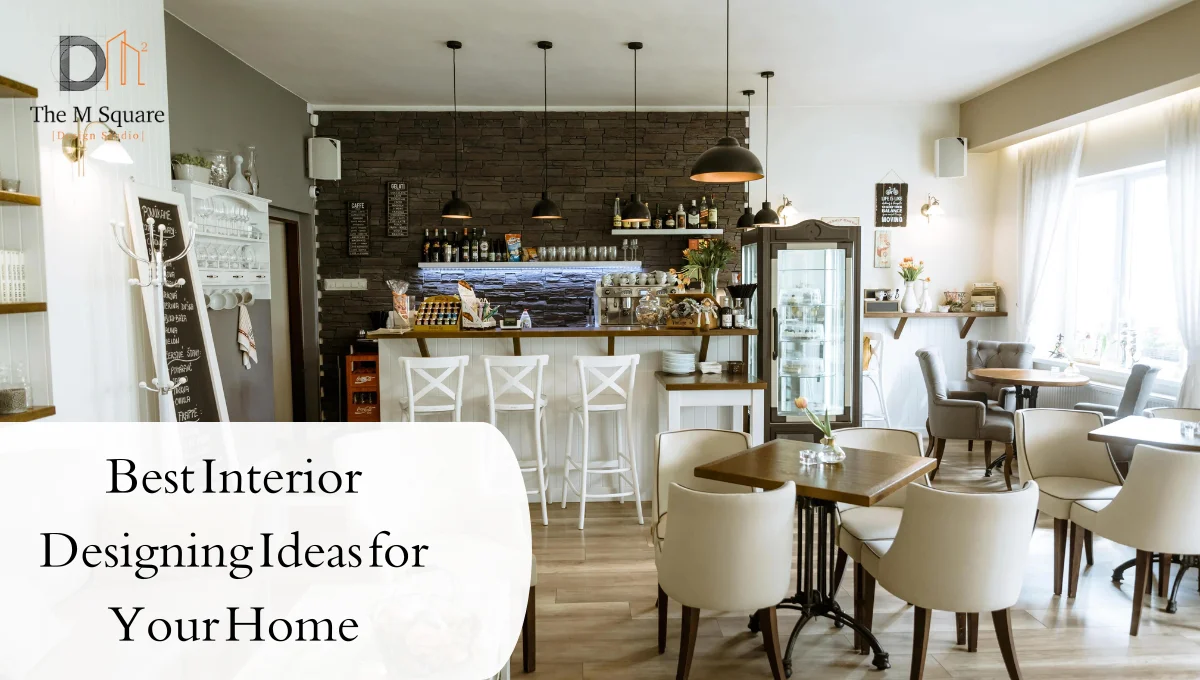
Interior design is crucial in creating a comfortable and aesthetically pleasing home. However, creating the perfect design for your space can be overwhelming and daunting. In this blog post, we will guide you through the steps of creating the best interior designing ideas for your home. From understanding the importance of interior designing to incorporating your personal touches, we’ve got you covered. With our step-by-step approach, you’ll be able to identify your needs and preferences, assess your available space, select a design style, and choose suitable color schemes and materials. We’ll also provide practical tips on incorporating functional elements and avoiding common mistakes in interior design. And yes, we will also share budget-friendly tips for bringing your dream home to life. So let’s get started! Introduction: Understanding the Importance of Interior Designing Interior design is crucial to creating a comfortable and aesthetically pleasing living space. It utilizes various elements such as color, texture, lighting, and furniture to transform a simple house into a beautiful home. The concept of interior designing goes beyond just decorating the space; it is about understanding the needs and preferences of individuals while incorporating functionality and practicality in every design. A well-designed interior not only enhances the visual appeal but also significantly impacts our mood, productivity, and overall well-being. In this blog post, we will discuss some tips on creating the best interior designing ideas for your home that reflect your personality and style. Step 1: Identifying Your Needs and Preferences The first step in creating the best interior design in Lahore for your home is identifying your needs and preferences. Walk around your house and note what you like and dislike about each room. Consider what kind of functionality and atmosphere you want each space to have. It’s also essential to think about your lifestyle, as this will influence your design choices. For example, if you have young children, you may need a more durable and easy-to-clean flooring option. If you love entertaining, then an open-concept layout may be more suitable for you. By identifying your needs and preferences early on, you can ensure that your interior design looks beautiful and fits seamlessly with your lifestyle. Step 2: Assessing Your Available Space After determining your interior design style, the next step is to assess the available space in your home. This involves measuring each room and noting architectural features or existing furniture that may impact your design choices. Consider not only the physical dimensions of a space but also its function and purpose. For example, a small living room may need to serve as both a lounging area and a dining space, so you must plan accordingly. Additionally, consider any natural lighting or views that can be incorporated into your design. By thoroughly assessing your available space, you can ensure that your interior designing ideas are functional and visually appealing for your home. Step 3: Choosing a Design Style Choosing a design style can be daunting as there are numerous options. However, it is important to consider your personal preferences and the overall aesthetic of your home when deciding on a design style. Are you drawn to minimalist and clean lines? Then a contemporary or modern style might be the right choice for you. If you prefer warmth and coziness, consider a rustic or farmhouse style. Additionally, taking inspiration from your surroundings, such as nature or coastal elements, can help you choose a design style that reflects your personality and creates a harmonious flow throughout your home. Whatever style you choose, ensure it aligns with your taste and lifestyle to create the perfect interior space for yourself and your family. Step 4: Selecting Color Schemes and Materials In Step 4, we will discuss selecting color schemes and materials for your interior design. The colors you choose play a crucial role in creating the mood and atmosphere of your space. It’s essential to choose a color scheme that reflects your style and complements each room’s function. For example, warm and vibrant colors such as yellows and oranges are perfect for energizing spaces like the living room or kitchen. At the same time, cool tones like blues and greens are more suitable for creating a calming effect in bedrooms or bathrooms. Additionally, consider incorporating different textures through wood, metal, or fabrics to add depth and interest to your design. Remember to strike a balance between different colors and materials to create a cohesive and visually appealing space. Step 5: Incorporating Functional and Practical Elements In this step, it is essential to consider incorporating functional and practical elements into your interior designing ideas. A beautiful home looks excellent and serves its purpose of enhancing our daily lives. Your interior design should create a comfortable, functional space that reflects your style. Consider the layout of each room, consider the flow of traffic, and utilize practical storage solutions. From furniture choices to lighting fixtures, every element should serve a purpose while still adding to the overall aesthetic appeal of your home. By incorporating both functionality and practicality into your design, you can ensure that your space is visually pleasing and livable for years to come. Step 6: Adding Personal Touches and Decor No home is complete without personal touches and décor that reflect your unique style and personality. This step is where you can make your space your own and add the finishing touches to bring everything together. Start by incorporating elements that hold sentimental value, whether a family heirloom or a piece of artwork from your travels. Then, layer in decorative items such as plants, candles, throw pillows, and rugs to add texture and warmth to the room. Don’t be afraid to mix patterns and colors to create an eye-catching look. Finally, don’t forget to display photos of loved ones or create a gallery wall with meaningful pieces. These personal touches will not only make your home feel more inviting but also make it a true reflection of who you are. Finding the Perfect Interior Designer Lahore, a